Lemon Lavender Cake

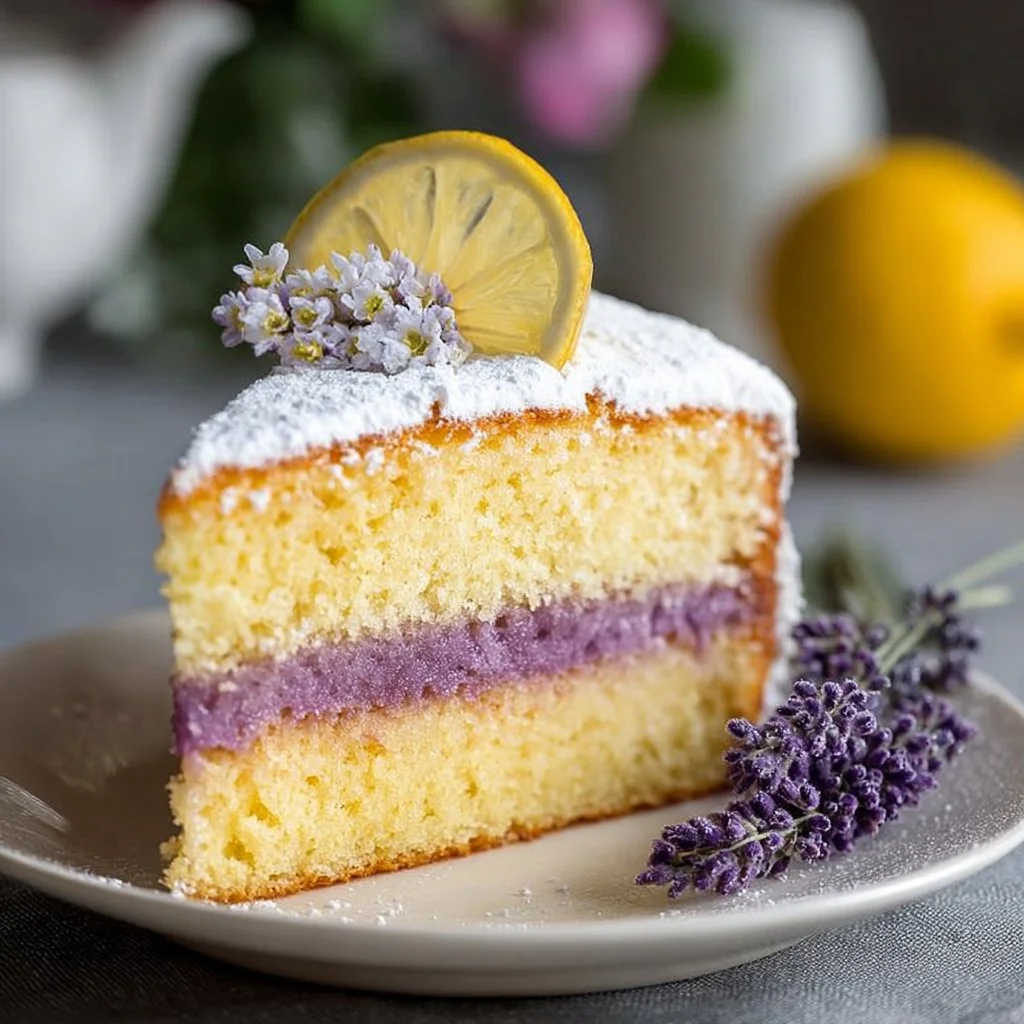
A Lemon Lavender Cake offers a delightful twist on traditional pastries, combining the bright zing of lemon with the delicate floral notes of lavender. This cake is an ideal choice for spring and summer gatherings, or whenever you crave a refreshing dessert that feels elevated yet approachable.
With its moist, fluffy texture and vibrant flavors, this cake is perfect for birthdays, teas, or simply a special treat for yourself. The components come together in a way that highlights the unique pairing of citrus and floral, creating a celebration of taste in every bite. The base is a classic cake infused with lavender, while the frosting adds an extra layer of lemony zest and fragrant lavender.
Why make this recipe
Creating a Lemon Lavender Cake is a rewarding experience that showcases both skill and creativity in baking. The sophisticated combination of lemon and lavender elevates this cake beyond simple everyday desserts, making it ideal for special occasions. Lavender, often used in culinary applications for its aromatic properties, pairs beautifully with lemon’s brightness, resulting in a flavor profile that is refreshing yet complex. While many people are familiar with lemon desserts, the added lavender offers a unique element that intrigues the palate.
The preparation allows for a beautiful exploration of flavors through each step, from infusing milk with lavender to the art of whipping up a light buttercream frosting. Not only is this cake delicious, but it also provides an opportunity to impress guests with something that feels gourmet. Baking at home allows you to control the quality of ingredients and tailor flavors to your liking, creating a personalized culinary masterpiece.
How to make Lemon Lavender Cake
Start by preparing your workspace and gathering all necessary ingredients to ensure a smooth baking process. Preheat the oven to 350°F (175°C), which is the optimal temperature for baking the cake evenly. Greasing and lining your cake pans is crucial for easy removal after baking. This helps maintain the integrity of the layers and allows for a clean finish when assembling and decorating.
The key to infusing the lavender flavor into the cake lies in steeping the dried lavender buds in warm milk. This gentle heating releases essential oils from the flowers, imparting a lovely scent and taste to the milk. After steeping for about five minutes and allowing it to cool, straining out the lavender ensures that the cake remains smooth without any visible remnants of the buds.
As you prepare the dry ingredients, whisking together flour, baking powder, baking soda, and salt creates an even mixture that helps to ensure a light and fluffy cake texture. The creaming of softened butter and sugar is critical, as it encourages air to be incorporated, leading to a good rise during baking. The addition of eggs, lemon zest, lemon juice, and vanilla creates a beautiful mixture brimming with flavor. Alternate adding the dry ingredients and the lavender-infused milk to keep the batter light, which will lead to a tender crumb.
Once the batter is prepared, dividing it between the two pans is straightforward. The baking process typically takes around 25-30 minutes. During this time, the cakes rise and develop a golden exterior, with the inviting aroma of lemon and lavender filling your kitchen. Cooling the cakes on a wire rack allows for proper heat dissipation, preventing the cakes from steaming and becoming soggy.
After the cakes have cooled, it’s time to prepare the lemon lavender glaze and the buttercream frosting. Combining butter with powdered sugar and fresh lemon juice, along with a hint of lavender, creates a luscious frosting to complement the cake layers. The assembly of the cake is straightforward but allows for a beautiful presentation when decorated with additional lemon zest or lavender buds.
Ingredients
- 2 ½ cups all-purpose flour
- 2 teaspoons baking powder
- ½ teaspoon baking soda
- ½ teaspoon salt
- ½ cup unsalted butter (softened)
- 1 ½ cups granulated sugar
- 3 large eggs
- 1 tablespoon finely grated lemon zest (from about 2 lemons)
- ¼ cup fresh lemon juice
- 1 cup whole milk
- 2 tablespoons dried lavender buds (culinary grade)
- 1 teaspoon vanilla extract
- 1 ½ cups powdered sugar
- 2 tablespoons fresh lemon juice
- 1 tablespoon lemon zest
- 1 tablespoon dried lavender buds (culinary grade)
- ½ cup unsalted butter (softened)
- 4 cups powdered sugar
- 2 tablespoons heavy cream
- 2 tablespoons fresh lemon juice
- 1 tablespoon lemon zest
- 1 tablespoon dried lavender buds (culinary grade)
- Pinch of salt
Directions
- Preheat your oven to 350°F (175°C). Grease and flour two 9-inch round cake pans or line them with parchment paper.
- In a small saucepan, heat the milk over low heat. Add the dried lavender buds and steep for about 5 minutes. Remove from heat, let cool, and strain out the lavender buds.
- In a medium bowl, whisk together the flour, baking powder, baking soda, and salt. Set aside.
- In a large bowl, beat the softened butter and granulated sugar together with an electric mixer on medium speed until light and fluffy (about 3–4 minutes).
- Add the eggs one at a time, mixing well after each addition. Then mix in the lemon zest, lemon juice, and vanilla extract.
- Gradually add the dry ingredients to the butter mixture, alternating with the lavender-infused milk, starting and ending with the dry ingredients. Mix until just combined.
- Divide the batter evenly between the prepared cake pans. Bake for 25–30 minutes, or until a toothpick inserted into the center comes out clean.
- Allow the cakes to cool in the pans for 10 minutes, then turn them out onto a wire rack to cool completely.
Time Breakdown
• Preparation Time: 30 minutes
• Cooking Time: 0 minutes
• Baking Time: 30 minutes
• Chilling Time: 0 minutes
• Rising Time: 0 minutes
• Total Time: 1 hour
• Servings: 12
How to serve Lemon Lavender Cake
Serving Lemon Lavender Cake can be as simple or as elegant as you desire. For a casual presentation, serve slices on decorative plates with fresh fruit, such as berries that contrast beautifully with the cake’s flavors. A dusting of powdered sugar can add an inviting touch, making this cake look as delightful as it tastes. Alternatively, you can elevate the presentation by garnishing each slice with candied lemon peel or a few fresh lavender sprigs, which adds an aromatic appeal and enhances the dessert’s attractiveness.
Pairing the cake with a light tea or iced lemonade can further emphasize its flavor profile, making it an excellent option for afternoon gatherings or special occasions. If you’re hosting an event, consider serving the cake alongside a selection of other treats for a dessert table that guests will admire and enjoy.
How to store Lemon Lavender Cake
To preserve the freshness and flavor of your Lemon Lavender Cake, proper storage is essential. If you’ve made the cake in advance and need to store it, it’s best to keep it in an airtight container at room temperature for up to three days. If you live in a particularly warm environment, consider refrigerating the cake to prevent spoilage.
For longer storage, you can freeze the cake layers separately. Wrap each layer tightly in plastic wrap, and then place them in a freezer-safe bag or container to prevent freezer burn. When you’re ready to enjoy the cake again, allow it to thaw in the refrigerator overnight before frosting and serving. Properly stored, the cake can last for up to three months in the freezer.
Tips to make Lemon Lavender Cake
To enhance your Lemon Lavender Cake, high-quality ingredients are key. Using fresh lemons instead of bottled lemon juice can significantly improve the flavor, offering a more vibrant and natural taste. When selecting lavender, ensure it’s culinary grade, as some varieties may not be safe for consumption.
Be meticulous with your measurements, especially when it comes to baking powder and baking soda, as these are critical for achieving the right texture. Don’t overmix your batter once you combine the dry and wet ingredients; mixing until just combined helps avoid a dense cake. Consider adding a light simple syrup made with lemon juice over the cake layers before frosting to keep them moist and enhance flavor.
Lastly, feel free to get creative with decorations. Adding lemon zest or small edible flowers as garnishes not only beautifies the presentation but also complements the overall flavor profile.
Variation
No major variations, but you can adjust seasonings to taste.
Nutritional Information (Per Serving)
(Estimated values; use units; NOT a paragraph; do NOT use bullets or numbering)
• Calories: 360 kcal
• Protein: 3 g
• Carbohydrates: 54 g
• Fat: 15 g
• Fiber: 1 g
• Sugar: 32 g
• Sodium: 180 mg
FAQs
Q: Can I use fresh lavender instead of dried?
A: Fresh lavender can be used, but make sure to adjust the quantity as fresh herbs have a more concentrated flavor.
Q: How can I make this cake gluten-free?
A: You can substitute the all-purpose flour with a gluten-free flour blend, ensuring it contains xanthan gum to mimic the structure of wheat flour.
Q: Is it necessary to use lavender?
A: While lavender adds a unique flavor, you can reduce or omit it if you prefer a straightforward lemon flavor.
Lemon Lavender Cake
Ingredients
Cake Ingredients
- 2.5 cups all-purpose flour
- 2 teaspoons baking powder
- 0.5 teaspoon baking soda
- 0.5 teaspoon salt
- 0.5 cups unsalted butter (softened)
- 1.5 cups granulated sugar
- 3 large eggs
- 1 tablespoon finely grated lemon zest (from about 2 lemons)
- 0.25 cups fresh lemon juice
- 1 cup whole milk
- 2 tablespoons dried lavender buds (culinary grade)
- 1 teaspoon vanilla extract
Buttercream Frosting
- 1.5 cups powdered sugar
- 2 tablespoons fresh lemon juice
- 1 tablespoon lemon zest
- 1 tablespoon dried lavender buds (culinary grade)
- 0.5 cups unsalted butter (softened)
- 4 cups powdered sugar
- 2 tablespoons heavy cream
- 2 tablespoons fresh lemon juice
- 1 tablespoon lemon zest
- 1 tablespoon dried lavender buds (culinary grade)
- pinch of salt
Instructions
Preparation
- Preheat your oven to 350°F (175°C). Grease and flour two 9-inch round cake pans or line them with parchment paper.
- In a small saucepan, heat the milk over low heat. Add the dried lavender buds and steep for about 5 minutes. Remove from heat, let cool, and strain out the lavender buds.
- In a medium bowl, whisk together the flour, baking powder, baking soda, and salt. Set aside.
- In a large bowl, beat the softened butter and granulated sugar together with an electric mixer on medium speed until light and fluffy (about 3–4 minutes).
- Add the eggs one at a time, mixing well after each addition. Then mix in the lemon zest, lemon juice, and vanilla extract.
- Gradually add the dry ingredients to the butter mixture, alternating with the lavender-infused milk, starting and ending with the dry ingredients. Mix until just combined.
- Divide the batter evenly between the prepared cake pans.
Baking
- Bake for 25–30 minutes, or until a toothpick inserted into the center comes out clean.
- Allow the cakes to cool in the pans for 10 minutes, then turn them out onto a wire rack to cool completely.
Frosting and Assembly
- Prepare the buttercream frosting by beating together the butter, powdered sugar, fresh lemon juice, lemon zest, and lavender until smooth.
- Frost the cooled cake layers and decorate as desired, using additional lemon zest or lavender buds.