Korean Sweet Potato and Kimchi Mandu: A Flavorful Twist on Homemade Dumplings

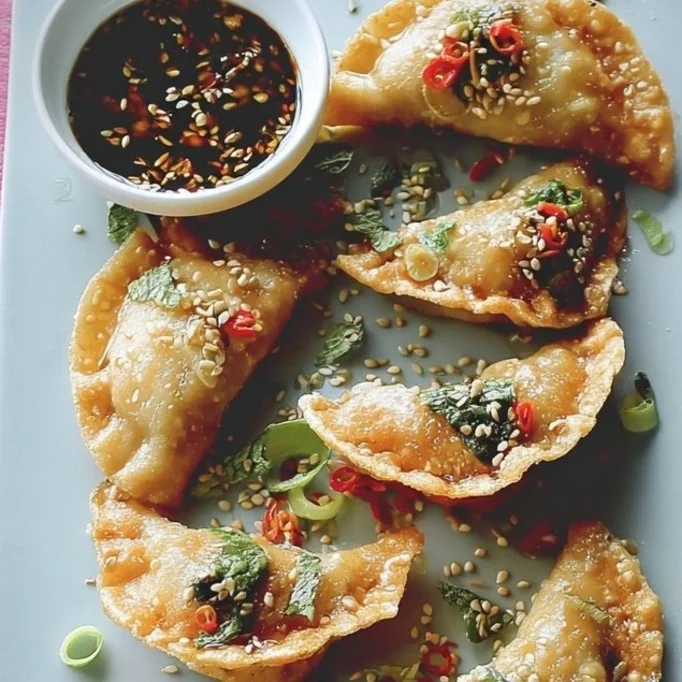
Korean Sweet Potato and Kimchi Mandu are delightful dumplings that combine the rich flavors of sweet potatoes and the spicy tang of kimchi, creating a uniquely satisfying bite. They’re not just food; they’re a culinary experience that brings the warmth of Korean cuisine right into your kitchen. With their crispy edges and soft, savory filling, these dumplings are perfect for a cozy gathering or a comforting dish any day of the week.
Making Korean Sweet Potato and Kimchi Mandu from scratch might seem daunting, but the process is quite simple and rewarding. The combination of flavors—sweet, savory, and umami—offers a perfect balance that will delight even those new to Korean cooking. By using fresh ingredients and taking the time to create these dumplings, you can enjoy a taste of Korea in your own home. Whether served as an appetizer, main dish, or snack, they are versatile enough to impress any guest.
Why make this recipe
Korean Sweet Potato and Kimchi Mandu present an exciting fusion of flavors that are not only delicious but also wholesome. Sweet potatoes are packed with vitamins and fiber, making these dumplings a nutrient-rich choice. The addition of kimchi, a staple in Korean cuisine, elevates the nutritional profile even further, adding probiotics that aid in gut health. This recipe allows you to explore traditional Korean flavors while also enjoying a modern twist, making it a great option for those looking to diversify their culinary skills.
Creating homemade mandu is not just about the end product; it’s also about the process. When you make these dumplings from scratch, you’ll appreciate the art of cooking and the joy of bringing family and friends together. Whether you make them for a special occasion or simply to enjoy on a quiet evening, preparing these mandu can be a fun and fulfilling experience.
How to make Korean Sweet Potato and Kimchi Mandu: A Flavorful Twist on Homemade Dumplings
To start, the foundation of your mandu lies in the sweet potatoes. They need to be perfectly soft to offer that creamy filling that contrasts beautifully with the crispy outer layer. Cooking them in the microwave is a quick way to achieve this, but you can also steam or boil them if you prefer. Once they are tender, carefully remove the flesh and mash it slightly to keep some texture.
Next, the filling comes together with the addition of kimchi, which adds a remarkable burst of flavor and a kick of spice. Spring onions provide freshness, while sesame oil and soy sauce round out the taste with savory notes. It’s essential to taste the filling and adjust the seasoning as needed, ensuring everything harmonizes seamlessly.
When you’re ready to start assembling your dumplings, the key is to work quickly and efficiently. Lay out your gyoza wrappers on a clean surface and scoop about 2 teaspoons of filling onto one side of each wrapper. Taking the time to pinch the edges closed securely ensures that no filling escapes during cooking. The folding method can be simple or intricate, depending on how you’d like your dumplings to look.
Finally, frying the mandu gives them their signature crunch. Select a deep pan and heat the oil to the right temperature, ensuring a golden finish and that they cook evenly. Once fried to perfection, serve them hot with a homemade dipping sauce that enhances their flavor, completing the dish.
Ingredients
- 600 g Korean sweet potatoes
- 150 g fresh kimchi, chopped into small pieces
- 4 spring onions, thinly sliced
- 1½ teaspoons sesame oil
- 1 tablespoon soy sauce
- 16 gyoza wrappers
- Vegetable oil, for frying
- A little sea salt, to taste
- 3 tablespoons soy sauce (for dipping)
- 1 tablespoon rice vinegar (for dipping)
- 2 teaspoons toasted sesame oil (for dipping)
- 1 tablespoon toasted sesame seeds (for dipping)
- ½ long red chili, thinly sliced (for dipping)
Directions
- Microwave the sweet potatoes for about 10 minutes, or until fully soft. Remove the flesh and place it in a bowl, then mash it lightly so it stays a little textured.
- Mix in the chopped kimchi, sliced spring onions, sesame oil, and soy sauce. Add a small pinch of salt if needed.
- Place a gyoza wrapper on a work surface and add about 2 teaspoons of filling to one side, leaving the edges clear.
- Lightly moisten the border with water, fold the wrapper over into a half-moon shape, and press firmly to seal.
- Continue shaping the dumplings until all the filling is used; you should get around 16 mandu.
- Heat the frying oil to 170°C / 325°F in a deep pan. Fry the dumplings in batches for roughly 4 minutes, until crisp and golden.
- Lift them out with a strainer or slotted spoon and drain on paper towel.
- Stir together all the dipping sauce ingredients in a small bowl, then serve alongside the hot dumplings.
Time Breakdown
• Preparation Time: 20 minutes
• Cooking Time: 15 minutes
• Total Time: 35 minutes
• Servings: 4
How to serve Korean Sweet Potato and Kimchi Mandu: A Flavorful Twist on Homemade Dumplings
Serving Korean Sweet Potato and Kimchi Mandu is as delightful as making them. To create an inviting presentation, arrange the dumplings on a large platter, garnished with thinly sliced red chili for an added touch of color. This not only enhances visual appeal but also hints at the delightful spiciness within. Offer the dipping sauce in small bowls arranged around the mandu, encouraging everyone to partake in the communal experience of sharing and enjoying food together.
You can also serve the mandu alongside a simple salad or pickled vegetables to balance the meal. The freshness of a cucumber salad or the sharp, tangy bite of pickled radish pairs excellently with the savory flavors of the dumplings. To add a touch of authenticity, serve with a warm bowl of miso soup, completing a well-rounded Korean-inspired feast.
How to store Korean Sweet Potato and Kimchi Mandu: A Flavorful Twist on Homemade Dumplings
Storing Korean Sweet Potato and Kimchi Mandu is quite straightforward. If you’ve made a large batch and wish to save some for later, allow them to cool completely before transferring. Place the dumplings in a single layer in an airtight container, separating layers with parchment paper to prevent sticking. They can be stored in the refrigerator for up to three days.
For longer storage, consider freezing the uncooked dumplings. Arrange them on a baking tray in a single layer and freeze until solid, then transfer to a zip-top freezer bag. They can last in the freezer for up to three months. When you’re ready to enjoy them, there’s no need to thaw; simply fry them directly from the freezer, adding extra cooking time until they are heated through and golden.
Tips to make Korean Sweet Potato and Kimchi Mandu: A Flavorful Twist on Homemade Dumplings
To elevate your mandu making experience, keep a few tips in mind. Ensure your sweet potatoes are tender and not overly wet, as excess moisture can make the filling soggy. When mashing, keep some texture for added bite, which adds to the dumpling experience. Selecting good quality kimchi is crucial since it’s the star in the filling; the flavor of the kimchi will dictate the overall taste of your mandu.
Another important tip is to work in batches while frying the mandu. Overcrowding the pan can lower the oil temperature, resulting in greasy dumplings that lack crispiness. To avoid this, fry in small batches and watch them closely to achieve that perfect golden brown exterior. Lastly, experimenting with your own fillings can open up a world of creativity; feel free to incorporate other vegetables or proteins into the mix!
Variation
No major variations, but you can adjust seasonings to taste.
Nutritional Information (Per Serving)
• Calories: 380 kcal
• Protein: 9 g
• Carbohydrates: 61 g
• Fat: 13 g
• Fiber: 4 g
• Sugar: 5 g
• Sodium: 720 mg
FAQs
Q: Can I use other types of potatoes?
A: Yes, you can substitute with regular potatoes or even butternut squash for a different flavor profile.
Q: Are these dumplings gluten-free?
A: The gyoza wrappers typically contain gluten; however, you can find gluten-free wrappers for a suitable alternative.
Q: Can I bake the dumplings instead of frying?
A: Yes, you can bake the dumplings at 200°C / 400°F for about 15-20 minutes until golden, although they won’t have the same crispy texture as fried dumplings.
Korean Sweet Potato and Kimchi Mandu
Ingredients
Dumpling Filling
- 600 g Korean sweet potatoes Must be soft and creamy.
- 150 g fresh kimchi, chopped Provides a burst of flavor.
- 4 pieces spring onions, thinly sliced Adds freshness.
- 1.5 teaspoons sesame oil
- 1 tablespoon soy sauce
Dumpling Assembly
- 16 pieces gyoza wrappers For wrapping the filling.
- a little sea salt to taste
Dipping Sauce
- 3 tablespoons soy sauce
- 1 tablespoon rice vinegar
- 2 teaspoons toasted sesame oil
- 1 tablespoon toasted sesame seeds
- 0.5 pieces long red chili, thinly sliced For garnish.
Instructions
Preparation
- Microwave the sweet potatoes for about 10 minutes, or until fully soft. Remove the flesh and place it in a bowl, then mash it lightly so it stays a little textured.
- Mix in the chopped kimchi, sliced spring onions, sesame oil, and soy sauce. Add a small pinch of salt if needed.
Assembly
- Place a gyoza wrapper on a work surface and add about 2 teaspoons of filling to one side, leaving the edges clear.
- Lightly moisten the border with water, fold the wrapper over into a half-moon shape, and press firmly to seal.
- Continue shaping the dumplings until all the filling is used; you should get around 16 mandu.
Cooking
- Heat the frying oil to 170°C / 325°F in a deep pan. Fry the dumplings in batches for roughly 4 minutes, until crisp and golden.
- Lift them out with a strainer or slotted spoon and drain on paper towel.
Serving
- Stir together all the dipping sauce ingredients in a small bowl, then serve alongside the hot dumplings.