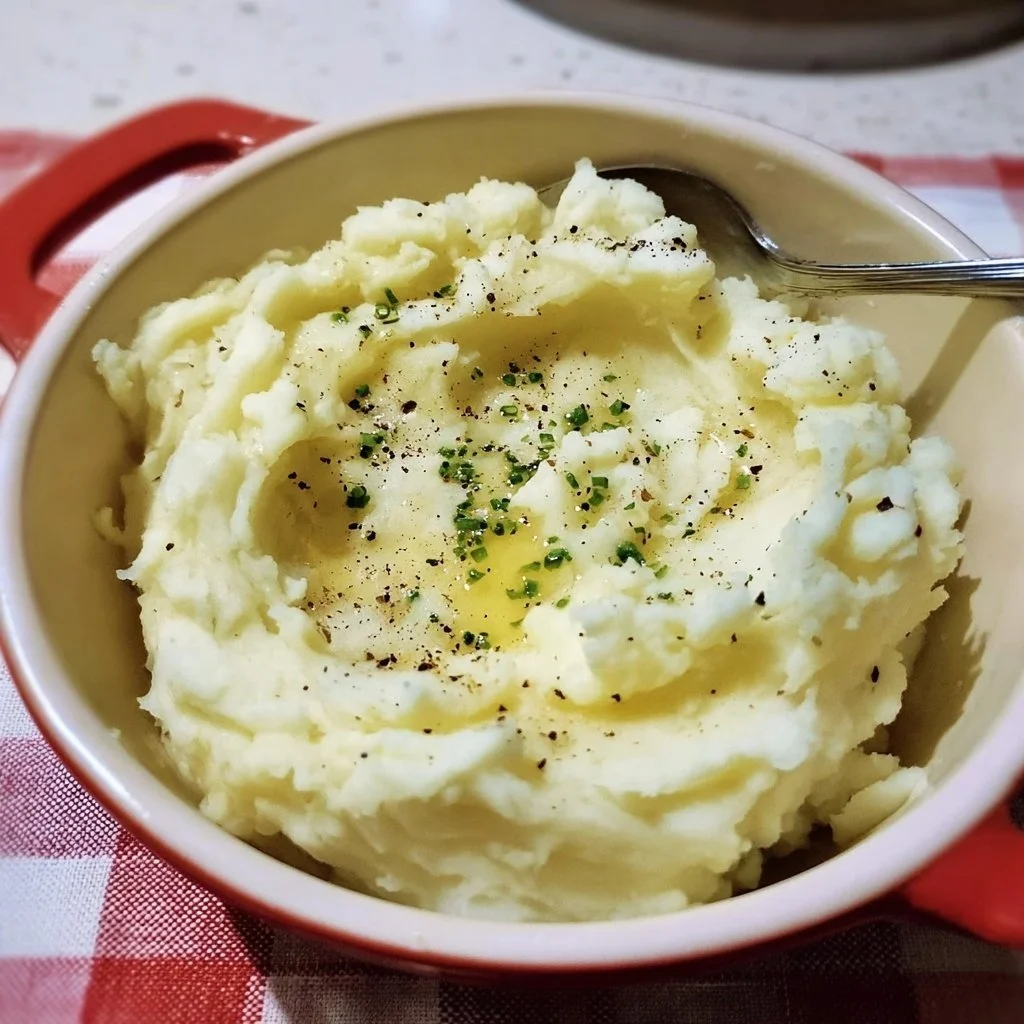
Basic Mashed Potatoes

Mashed potatoes are one of those classic comfort foods that evoke a sense of nostalgia and warmth. They serve as the perfect side dish for countless meals, adding a creamy and buttery element that complements everything from roasted meats to vegetarian entrees.
Creating the perfect batch of mashed potatoes can elevate a simple dinner into something extraordinary. With just a few ingredients and some straightforward techniques, you can turn humble potatoes into a luscious, velvety delight that will have your family and friends asking for seconds. The journey to making basic mashed potatoes begins with selecting the right variety of potatoes to ensure that each spoonful is as delightful as possible.
Why make this recipe
Basic mashed potatoes are incredibly simple to prepare, making this recipe accessible for cooks of all skill levels. The beauty of mashed potatoes lies not just in their flavor but also in their versatility; you can customize them to suit your palate by adjusting the seasonings or adding other ingredients like garlic or herbs for a twist. Whether you’re serving them for a holiday feast or a casual weeknight dinner, mashed potatoes are a guaranteed crowd-pleaser.
Additionally, making mashed potatoes at home allows you to control every aspect of the dish, from the creaminess to the seasoning. Store-bought mashed potatoes might save time, but they often lack the fresh, homemade flavor that comes from using quality ingredients and preparing them yourself. The satisfaction you gain from crafting a classic dish is unmatched, and it gives you a reason to take pride in your cooking skills.
How to make Basic Mashed Potatoes
To embark on your mashed potato journey, start by choosing the right type of potato. Starchy varieties like Russets or Yukon Golds are ideal for this recipe because they yield a fluffy and creamy texture. Once you have your potatoes, begin by peeling and cutting them into even chunks to ensure they cook uniformly. This step is crucial, as uneven pieces can lead to some parts being overcooked while others remain firm.
Next, you’ll need a large pot to cook your potatoes. It’s essential to cover the potato pieces with cold water and not hot, as this helps cook them evenly and prevents them from becoming gummy. Always salt the water generously; this step enhances the flavor of the potatoes during cooking. Once the water reaches a boil, reduce the heat to medium and let them simmer until they are soft. This usually takes about 15 minutes, but it’s wise to check for doneness by piercing them with a fork.
After cooking, draining the potatoes is vital to remove excess water, which can make your mashed potatoes watery. Return the drained potatoes to the warm pot to let any lingering moisture evaporate before adding the butter and milk. These ingredients add richness and creaminess that elevate the dish significantly. Mash them using a potato masher or even a ricer for an ultra-smooth texture, season with salt and freshly ground black pepper, and you’ll have a beautiful bowl of mashed potatoes ready to impress.
Ingredients
- 1 kg starchy potatoes, peeled and cut into even chunks
- 50 g softened butter, cut into small pieces
- 3 tablespoons full-fat milk
- Sea salt, as needed
- Freshly ground black pepper, to taste
Directions
- Place the potato pieces in a large pot and pour in enough cold water to fully cover them.
- Add a generous amount of salt, then bring the water to a boil over high heat.
- Once boiling, reduce to medium heat, cover the pot, and let the potatoes cook for about 15 minutes, or until very soft.
- Drain the potatoes well and return them to the warm pot.
- Add the butter and milk, then mash until the texture is smooth and creamy.
- Season with salt and black pepper to taste, then serve while hot.
Time Breakdown
• Preparation Time: 10 minutes
• Cooking Time: 15 minutes
• Total Time: 25 minutes
• Servings: 4
How to serve Basic Mashed Potatoes
When it comes to serving basic mashed potatoes, the possibilities are endless. They can be an outstanding side dish for a holiday roast or a simple weeknight meal. For a classic presentation, consider serving them in a warmed bowl, garnished with a pat of butter melting on top, along with a sprinkle of freshly chopped herbs like parsley or chives for added color and flavor.
For an elegant touch, you could create a small well in the center of the mashed potatoes and pour in a rich gravy or drizzle a touch of olive oil or truffle oil for those special occasions. One of the delightful aspects of mashed potatoes is that they pair beautifully with so many types of proteins and vegetables, from savory stews to grilled steaks, or even alongside roasted vegetables for a vegetarian feast.
How to store Basic Mashed Potatoes
Storing mashed potatoes is fairly easy, but there are a few things to keep in mind to retain their delightful texture and flavor. If you happen to have leftovers, allow the potatoes to cool completely before transferring them to an airtight container. They can be stored in the refrigerator for up to three days.
When reheating, add a splash of milk or a bit of butter to bring them back to life, as they may dry out in the fridge. Use low heat in the microwave or on the stovetop, stirring occasionally to ensure even reheating. For longer storage, you can freeze mashed potatoes, ensuring they’re placed in a freezer-safe container. They can be kept frozen for about two months. To reheat frozen mashed potatoes, let them thaw in the refrigerator overnight before reheating, following the same tips as for refrigerated leftovers.
Tips to make Basic Mashed Potatoes
To achieve the best mashed potatoes, start with the right tools. A potato ricer or food mill can yield the smoothest result. Avoid using a food processor, as it can overwork the starches and create a gummy texture. For ideal creaminess, warm the milk before adding it to the potatoes; this helps maintain the warmth of the dish.
In terms of flavor, feel free to explore beyond just salt and pepper. Roasted garlic, sour cream, or cream cheese can be added for a unique twist, each bringing their own character to the dish. Always taste as you go, adjusting seasonings and richness to your personal preference. Capturing the perfect balance of taste takes time but is well worth the effort.
Variation
No major variations, but you can adjust seasonings to taste.
Nutritional Information (Per Serving)
• Calories: 250 kcal
• Protein: 5 g
• Carbohydrates: 40 g
• Fat: 10 g
• Fiber: 3 g
• Sugar: 1 g
• Sodium: 300 mg
FAQs
Q: Can I make mashed potatoes ahead of time?
A: Yes, you can prepare mashed potatoes ahead of time and reheat them when ready to serve.
Q: What type of potatoes are best for mashed potatoes?
A: Starchy potatoes like Russets or Yukon Golds are generally the best choices for mashed potatoes due to their fluffy texture.
Q: How can I make my mashed potatoes more flavorful?
A: You can enhance the flavor by adding roasted garlic, fresh herbs, or even cheese.
Basic Mashed Potatoes
Ingredients
Main Ingredients
- 1 kg starchy potatoes, peeled and cut into even chunks Russets or Yukon Golds work best.
- 50 g softened butter, cut into small pieces Adds richness to the mashed potatoes.
- 3 tablespoons full-fat milk Warming the milk before adding helps maintain the temperature.
- to taste sea salt Use generously while boiling.
- to taste freshly ground black pepper For seasoning.
Instructions
Preparation
- Place the potato pieces in a large pot and pour in enough cold water to fully cover them.
- Add a generous amount of salt, then bring the water to a boil over high heat.
- Once boiling, reduce to medium heat, cover the pot, and let the potatoes cook for about 15 minutes, or until very soft.
- Drain the potatoes well and return them to the warm pot.
- Add the butter and milk, then mash until the texture is smooth and creamy.
- Season with salt and black pepper to taste, then serve while hot.