Kimbap (Korean Seaweed Rice Rolls)

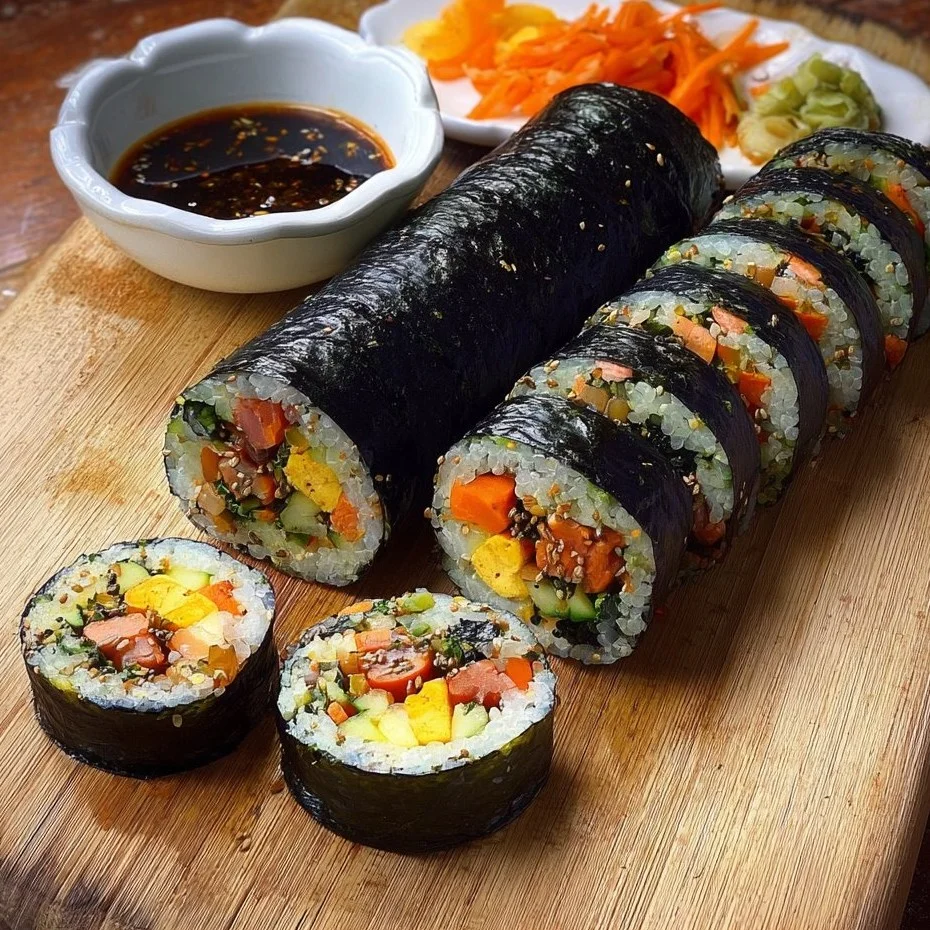
Kimbap, often referred to as Korean sushi, captivates taste buds with its vibrant colors and delightful mix of flavors. This versatile dish not only nourishes but also brings a slice of Korean culture to your dining table, making it ideal for picnics, lunchboxes, or casual family meals. With a variety of fillings and toppings, Kimbap can be customized to suit anyone’s preferences.
Originating from the traditional Korean dish of “gimbap,” consisting of similar lovely rolled rice, Kimbap serves as an essential in Korean daily life. While it may resemble sushi, the preparation and ingredients differentiate them, with Kimbap eschewing raw fish in favor of cooked and pickled fillings. This dish is often enjoyed dipped in soy sauce or served with a side of kimchi, giving it that authentic Korean essence.
Why make this recipe
Making Kimbap is a rewarding culinary experience that allows you to experiment with various flavors and textures. The process of rolling the ingredients together is not only enjoyable, but it also provides an excellent opportunity to involve family members or friends, making it a delightful group activity. The beautiful presentation of Kimbap, with its eye-catching layers of colors, is bound to impress your guests at parties or family gatherings. Moreover, Kimbap is an excellent way to incorporate healthy elements into your diet, including vegetables, proteins, and whole grains.
Creating your own Kimbap at home guarantees freshness and quality control. You can play around with the ingredients based on personal preferences, dietary restrictions, or seasonal availability. The endless variety of fillings, such as juicy grilled meats, crisp vegetables, and even sweet flavors, makes Kimbap suitable for anyone at any time, from kids to adults.
How to make Kimbap (Korean Seaweed Rice Rolls)
To begin your Kimbap journey, first, you must prepare the rice, which is the core element of this dish. Short-grain white rice is typically used, seasoned with a splash of vinegar, sugar, and salt to give it a slightly tangy flavor and stickiness. It is essential that the rice is allowed to cool to room temperature, as this will make rolling easier.
As you prepare the fillings, consider a balance of different textures and flavors. Common fillings include sautéed vegetables like carrots and spinach, cooked proteins such as beef or eggs, and even pickled radish, all of which contribute to the overall taste. The addition of sesame oil and seeds brings a unique depth to the flavor profile.
With all your ingredients in hand, the rolling process begins. The use of a bamboo mat can greatly assist in achieving the perfect roll, allowing you to create tight Kimbap that holds its shape. When properly sliced, the colorful layers of ingredients become visible, showcasing the artistry behind this dish. The combination of flavors and crunch from the vegetables paired with the rich rice creates a mouthwatering experience that is both satisfying and filling.
Ingredients
- 2 cups short-grain white rice
- 4 sheets of nori (seaweed)
- 1 cup assorted fillings (carrots, cucumber, pickled radish, spinach, protein of choice)
Directions
- Rinse the rice under cold water until the water runs clear, then cook according to package instructions. Once cooked, mix in vinegar, sugar, and salt, and set aside to cool.
- Prepare your fillings by slicing vegetables and proteins into thin strips. Cook or sauté as necessary and season to taste.
- Lay a sheet of nori on the bamboo mat, spread a thin layer of rice on the nori leaving about an inch on the edges, and layer your desired fillings on top of the rice.
- Roll the bamboo mat away from you tightly to form a log, then gently press to secure the roll. Seal with a few grains of water to hold the edges together.
- Slice the roll into bite-sized pieces using a sharp knife, and serve with soy sauce or your favorite dipping sauce.
Time Breakdown
• Preparation Time: 30 minutes
• Cooking Time: 20 minutes
• Total Time: 50 minutes
• Servings: 2-4
How to serve Kimbap (Korean Seaweed Rice Rolls)
Kimbap is best enjoyed fresh, serving it sliced into bite-sized pieces on a beautiful platter adds an appealing touch to your meal. Pair it with a side of soy sauce for dipping, or a small bowl of pickled radish to complement the flavors. You can also accompany Kimbap with a refreshing cucumber salad or kimchi for a more traditional meal setting. The vibrant colors of Kimbap, combined with its unique flavors, make it an inviting dish on any dining table.
If you plan to serve Kimbap as part of a larger feast, consider adding a variety of dips and side dishes. The delightful contrast of flavors can create a truly memorable dining experience. Kimbap’s portability makes it a great option for outdoor barbecues or picnics; simply wrap them neatly to carry alongside refreshing beverages.
How to store Kimbap (Korean Seaweed Rice Rolls)
If you find yourself with leftover Kimbap, it’s essential to store it properly to maintain its freshness. Wrap the Kimbap tightly in plastic wrap or place it in an airtight container to prevent any exposure to air, which can cause the seaweed to become soggy. Kimbap can be kept in the refrigerator for up to three days, but for the best taste and texture, consuming it within a day is ideal.
Reheating Kimbap is not recommended, as it can impact the quality of the seaweed and rice. Instead, enjoy it cold, as the flavors meld beautifully when allowed to sit for a while. For an extended storage solution, consider preparing and storing the fillings separately, then assembling Kimbap as needed for freshness.
Tips to make Kimbap (Korean Seaweed Rice Rolls)
To achieve the best texture and taste, selecting the right kind of rice is crucial. Short-grain rice yields a stickier result, which is easier to roll. Experimenting with different seasonings in the rice mixture can elevate the flavor even more. Feel free to adjust or add ingredients based on what you like, as Kimbap can be customized endlessly.
When rolling the Kimbap, it helps to apply gentle pressure, ensuring a tight yet not overly compact roll. Use a sharp, wet knife to slice the Kimbap into even pieces, as this will prevent the rice from tearing. Additionally, if making Kimbap for an event, consider soaking your nori sheets in water briefly before rolling to make them more pliable.
Variation
No major variations, but you can adjust seasonings to taste.
Nutritional Information (Per Serving)
• Calories: 350 kcal
• Protein: 8 g
• Carbohydrates: 56 g
• Fat: 10 g
• Fiber: 4 g
• Sugar: 2 g
• Sodium: 300 mg
FAQs
Q: Can I use brown rice instead of white rice?
A: Yes, brown rice can be used for a healthier option, but it may require different cooking times.
Q: Is Kimbap gluten-free?
A: Kimbap itself is gluten-free, but check the soy sauce and any additional sauces used for gluten content.
Q: How can I add more flavor to my Kimbap?
A: You can enhance flavor by marinating your proteins or tossing your vegetables in sesame oil or sauces before filling.
Kimbap (Korean Seaweed Rice Rolls)
Ingredients
For the Rice
- 2 cups short-grain white rice Rinse under cold water before cooking.
- 4 sheets nori (seaweed)
- 1 cup assorted fillings (carrots, cucumber, pickled radish, spinach, protein of choice) Use a mix of flavors and textures.
Instructions
Preparation
- Rinse the rice under cold water until the water runs clear, then cook according to package instructions.
- Once cooked, mix in vinegar, sugar, and salt, and set aside to cool.
- Prepare your fillings by slicing vegetables and proteins into thin strips. Cook or sauté as necessary and season to taste.
Rolling
- Lay a sheet of nori on the bamboo mat.
- Spread a thin layer of rice on the nori leaving about an inch on the edges.
- Layer your desired fillings on top of the rice.
- Roll the bamboo mat away from you tightly to form a log, then gently press to secure the roll.
- Seal with a few grains of water to hold the edges together.
Serving
- Slice the roll into bite-sized pieces using a sharp knife, and serve with soy sauce or your favorite dipping sauce.