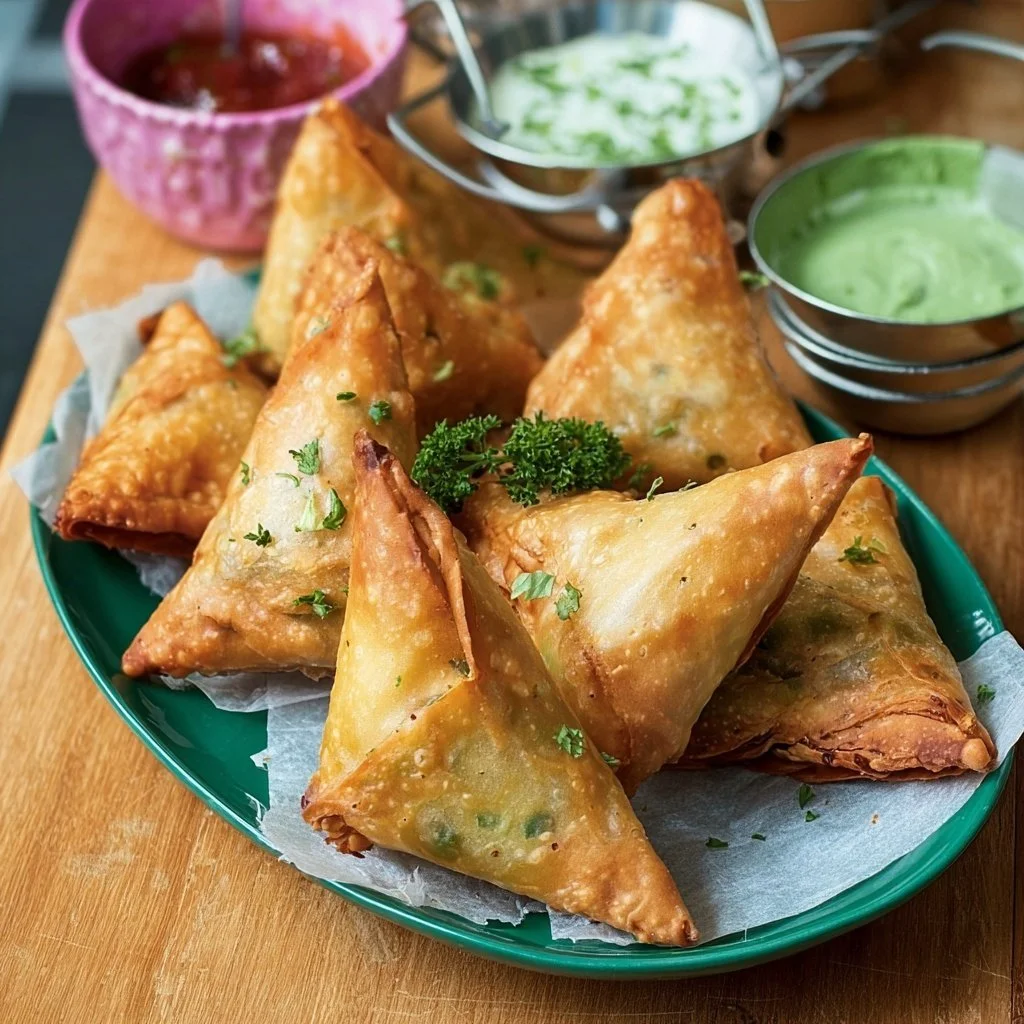
Potato and Pea Samosas

Crispy on the outside and bursting with flavor on the inside, potato and pea samosas are the perfect snack for any occasion. These delightful pastries, filled with a spiced potato and pea mixture, have become a beloved classic in many households, thanks to their unique texture and taste. Whether you’re hosting a party, enjoying a casual get-together, or just want a delicious treat for yourself, samosas are a fantastic choice.
Making samosas from scratch might seem daunting at first, but with a little patience and practice, you can create these mouthwatering bites right in your kitchen. The blend of spices, fresh ingredients, and the satisfying crunch of the pastry come together to make an irresistible dish. This potato and pea samosa recipe is approachable for cooks of all skill levels, ensuring a delicious snack that can awe friends and family alike.
Why make this recipe
Samosas are not just a satisfying snack; they also represent a rich cultural tradition. Originating from the Middle East and popularized in South Asia, they have found a place in cuisines around the globe. Making them at home allows you to personalize the spices and ingredients according to your taste preferences, making them even more special. What’s more, these samosas are a great way to showcase your culinary skills while enjoying a fun cooking experience.
The filling of potato and peas is not only flavorful but also nutritious, offering a hearty and satisfying bite. Each samosa can be filled with a variety of spices, adding layers of flavor to the dish. With the perfect balance of crunchy pastry and spiced filling, potato and pea samosas are sure to impress any snack lover. Their versatility allows them to be paired with an array of dips, enhancing the overall experience.
How to make Potato and Pea Samosas
To start, the key to delicious samosas lies in their filling. Begin by gently cooking onions, garlic, and ginger in ghee or butter until they soften and release their fragrant aromas. This savory base will infuse the filling with flavor. Once softened, introduce the diced potatoes along with a medley of spices, including coriander, cumin, turmeric, and garam masala. The spices not only season the potatoes but also transform them into a globally inspired dish.
As the potato mixture cooks, the aroma will fill your kitchen, making it hard to resist sneaking a taste. Once the potatoes are almost tender, fold in the peas and fresh coriander. The vibrant green color of the peas adds a lovely contrast to the filling, while the coriander contributes a fresh herbaceous note. Don’t forget to season well with salt and a squeeze of lemon juice to balance the richness of the ghee.
As the savory filling cools, prepare your samosa wrappers. The folding technique may take a little practice, but it’s straightforward. Lay out the wrapper, fill it with the cooled mixture, and use a bit of water to seal the edges. When it’s time to cook, frying your samosas ensures that they turn out golden brown and crispy, creating a delightful contrast to the soft interior. These samosas are best enjoyed fresh out of the frying pan while they still hold their heat and crunch.
Ingredients
- 30g ghee or butter
- 1 tablespoon vegetable or sunflower oil
- 1 onion, chopped small
- 2 garlic cloves, minced
- 1-inch (2.5cm) fresh ginger, finely chopped
- 300g waxy potatoes, peeled and cut into small cubes
- 2 teaspoons coriander seeds
- 1 teaspoon cumin seeds
- 1 teaspoon black mustard seeds
- 1 teaspoon ajwain seeds
- 1 teaspoon turmeric powder
- 1 teaspoon garam masala
- 125g frozen peas
- 1 small bunch fresh coriander, roughly chopped
- A little lemon juice
- 12 samosa pastry wrappers, about 25 x 8cm each
- Salt and black pepper, to taste
- Mint raita, for serving if desired
Directions
- Warm the ghee and 1 tablespoon of oil in a large pan over low heat. Add the onion and cook until softened, then stir in the garlic and ginger for about 1 minute.
- Add the diced potatoes, coriander seeds, cumin seeds, mustard seeds, ajwain, turmeric, and garam masala. Stir well so the potatoes are evenly coated.
- Pour in a small splash of water, cover the pan, and cook gently for around 15 minutes, stirring now and then. Add a bit more water if needed to stop the mixture from sticking. When the potatoes are nearly tender, mix in the peas and cook for 2 more minutes.
- Remove from the heat, then stir in the chopped coriander and lemon juice. Season with salt and pepper.
- Place one samosa wrapper in front of you with a short side facing you. Put about 1 tablespoon of filling in one bottom corner.
- Fold the filled corner over to form a triangle, then continue folding along the strip until the filling is enclosed. Lightly wet the end with water and press to seal.
- Heat the frying oil to 180°C / 350°F. Fry the samosas in small batches for 3 to 4 minutes, until crisp and golden.
- Lift them out with a slotted spoon and drain on paper towels. Serve warm, with mint raita on the side if you like.
Time Breakdown
• Preparation Time: 30 minutes
• Cooking Time: 20 minutes
• Total Time: 50 minutes
• Servings: 4
How to serve Potato and Pea Samosas
Serving potato and pea samosas is an opportunity to impress your guests not just with the food, but with the presentation as well. Arrange the freshly fried samosas on a large platter and layer them with fresh salad garnish or sprigs of coriander for a beautiful display. Pair the samosas with mint raita for a refreshing contrast to the spiced filling. The coolness of the raita perfectly balances the warmth and spices, making every bite even more enjoyable.
These samosas can also be served in smaller portions as appetizers or part of a multi-course meal. Their versatility allows them to comfortably accompany other Indian dishes or be enjoyed on their own as a delightful snack. No matter how you present them, your homemade potato and pea samosas will surely be a hit at any gathering.
How to store Potato and Pea Samosas
If you find yourself with leftover samosas, storing them properly is essential to maintain their crispiness and flavor. Allow the samosas to cool completely at room temperature before placing them in an airtight container. If you prefer to keep them crispy, line the container with paper towels to absorb moisture. Samosas are best consumed within a couple of days when stored this way.
For longer storage, consider freezing them before frying. After preparing and filling your samosas, place them on a baking sheet and freeze until solid. Once frozen, you can transfer them into a zip-top bag for convenient storage. When you’re ready to enjoy them, simply fry them straight from the freezer without thawing, keeping the process simple and the results crispy.
Tips to make Potato and Pea Samosas
To take your samosa-making skills to the next level, consider a few tips that can enhance your results. First, make sure that all your spices are fresh, as this will greatly impact the final flavor of the filling. Toasting whole spices before adding them to the filling can intensify their aroma and taste, adding another layer of depth to the dish.
Secondly, ensure the oil temperature is appropriate for frying. If the oil is too hot, the samosas will burn on the outside before cooking through; too cool, and they’ll absorb excess oil and become greasy. Keeping the temperature at around 180°C (350°F) is usually ideal for achieving that perfect golden color and crisp texture.
Finally, don’t hesitate to get creative with your fillings. While potato and peas are a classic combination, you can add things like cooked lentils or other vegetables for variation. Experimenting with spices allows you to customize your samosas further to reflect your personal taste preferences.
Variation
No major variations, but you can adjust seasonings to taste.
Nutritional Information (Per Serving)
• Calories: 330 kcal
• Protein: 6 g
• Carbohydrates: 40 g
• Fat: 17 g
• Fiber: 5 g
• Sugar: 2 g
• Sodium: 300 mg
FAQs
Q: Can I bake these samosas instead of frying them?
A: Yes, you can bake them for a healthier option. Brush the samosas with oil and bake in a preheated oven at 200°C (400°F) until golden brown, typically about 20-25 minutes.
Q: Can I make the filling in advance?
A: Absolutely! You can prepare the filling a day ahead of time and store it in the refrigerator. Just ensure it’s cooled completely before refrigerating.
Q: What can I use instead of ghee?
A: If you prefer, you can substitute ghee with butter or any neutral oil, such as vegetable oil, depending on your dietary preferences.

Potato and Pea Samosas
Ingredients
For the filling
- 30 g ghee or butter For cooking the filling
- 1 tablespoon vegetable or sunflower oil
- 1 small onion, chopped
- 2 cloves garlic, minced
- 1 inch fresh ginger, finely chopped About 2.5 cm
- 300 g waxy potatoes, peeled and cut into small cubes
- 2 teaspoons coriander seeds
- 1 teaspoon cumin seeds
- 1 teaspoon black mustard seeds
- 1 teaspoon ajwain seeds
- 1 teaspoon turmeric powder
- 1 teaspoon garam masala
- 125 g frozen peas
- 1 small bunch fresh coriander, roughly chopped
- a little lemon juice To taste
- 12 pieces samosa pastry wrappers, about 25 x 8cm each
- Salt and black pepper, to taste
- Mint raita, for serving if desired
Instructions
Preparation of Filling
- Warm the ghee and 1 tablespoon of oil in a large pan over low heat.
- Add the onion and cook until softened, then stir in the garlic and ginger for about 1 minute.
- Add the diced potatoes, coriander seeds, cumin seeds, mustard seeds, ajwain, turmeric, and garam masala. Stir well so the potatoes are evenly coated.
- Pour in a small splash of water, cover the pan, and cook gently for around 15 minutes, stirring now and then.
- When the potatoes are nearly tender, mix in the peas and cook for 2 more minutes.
- Remove from the heat, then stir in the chopped coriander and lemon juice. Season with salt and pepper.
Assembling and Cooking
- Place one samosa wrapper in front of you with a short side facing you.
- Put about 1 tablespoon of filling in one bottom corner.
- Fold the filled corner over to form a triangle, then continue folding along the strip until the filling is enclosed.
- Lightly wet the end with water and press to seal.
- Heat the frying oil to 180°C / 350°F.
- Fry the samosas in small batches for 3 to 4 minutes, until crisp and golden.
- Lift them out with a slotted spoon and drain on paper towels.