No Knead Dutch Oven Bread

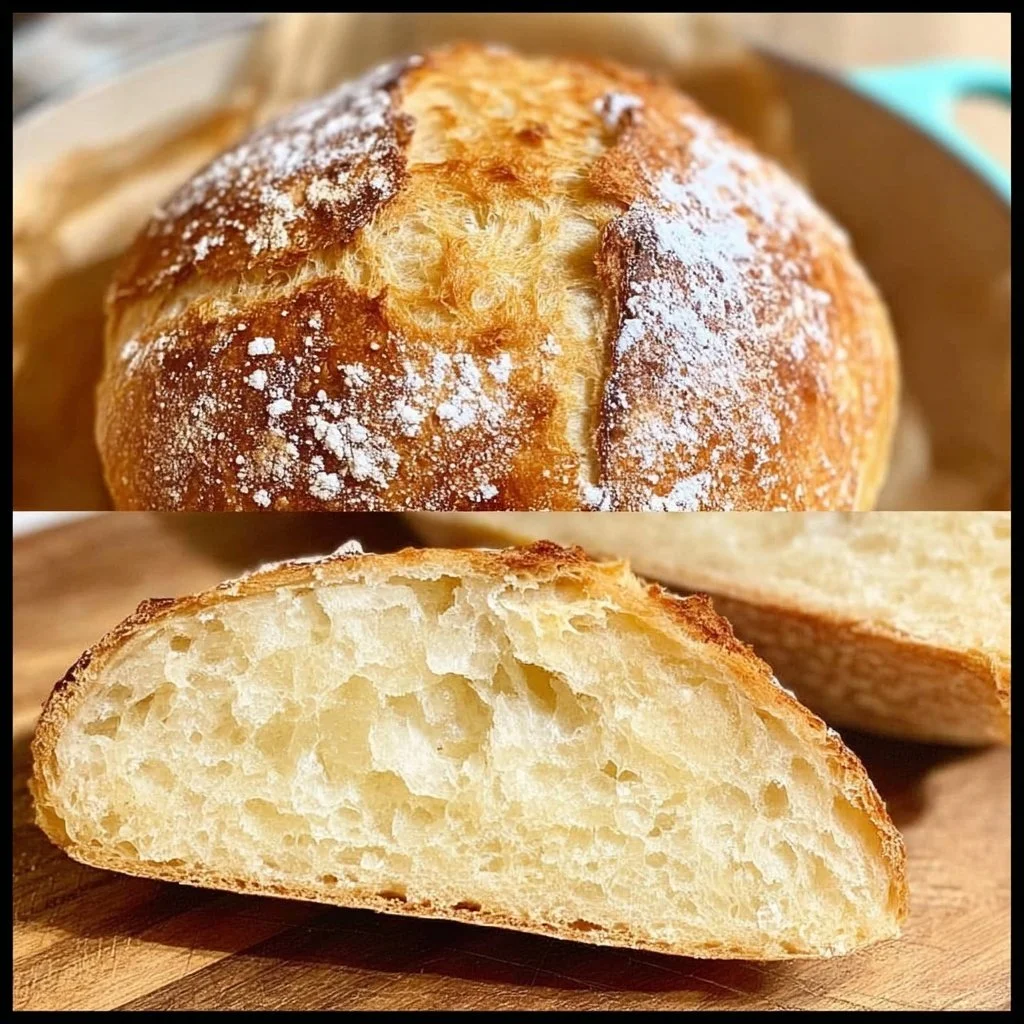
No Knead Dutch Oven Bread is a delightful and straightforward way to bake homemade bread without the need for extensive kneading or complicated techniques. It captures the essence of artisan bread, complete with a crusty exterior and a soft, airy interior. The best part is that the entire process requires minimal hands-on time, allowing you to savor the anticipation of freshly baked bread.
This recipe relies on a long fermentation process, which means you can prepare the dough the night before and let it work its magic while you sleep. The key to this simple bread is patience, as it requires a slow rise to develop flavor and texture. Once baked, it is a perfect accompaniment to any meal, or simply enjoyed with a pat of butter. You’ll find this no-knead method not only easy but also rewarding, because it yields a superb loaf that looks and tastes incredible.
Why make this recipe
Making No Knead Dutch Oven Bread is an exciting adventure into the world of baking. The method allows even novice bakers to produce a crusty loaf that is rivaled only by those from artisan bakeries. With just a handful of ingredients, you can create something truly special at home. The Dutch oven traps steam, which helps to create that beautiful crust while keeping the inside moist and fluffy. This is an approachable way to start baking bread, as it doesn’t require a lot of equipment or skills, just a little bit of patience.
Furthermore, the flavor of this bread is exceptional, with a slightly tangy note that develops through the long slow rise. This recipe presents a fantastic learning opportunity, introducing you to the science of fermentation and how it contributes to the characteristics of bread. You’ll begin to appreciate the transformation that simple ingredients undergo, leading you to bake more often and explore variations and flavors as your skills grow.
How to make No Knead Dutch Oven Bread
The process of making No Knead Dutch Oven Bread is refreshingly straightforward. You’ll start by mixing flour, sugar, salt, and yeast in a mixing bowl. As you gradually add warm water, a shaggy dough will form. It’s important not to overmix at this stage; a rough texture is what you want. Once combined, you will cover the bowl with a kitchen towel and let the dough rise at room temperature. This long fermentation, lasting anywhere from 12-18 hours, is crucial for developing flavor and structure.
After the dough has risen and doubled in size, it’s time to shape it. Flour your work surface before gently turning out the dough, being careful not to deflate it too much. You will shape the dough into a ball and let it rest while you preheat your Dutch oven. This preheating phase is essential, as it helps create a perfect baking environment for your loaf. When the Dutch oven reaches 450°F (232°C), carefully place the dough inside, cover it with the lid, and bake it for about 30 minutes. This initial baking time allows the crust to form while retaining moisture.
After half an hour, you will remove the lid to let the magic continue. The loaf should be turned a beautiful golden brown, and you’ll bake it uncovered for an additional 15 minutes to achieve that crispy, irresistible crust. The aroma that fills your kitchen will be enough to make anyone’s mouth water in anticipation.
Ingredients
- 4.5 cups all-purpose flour
- 1 tablespoon sugar
- 2.5 teaspoons fine sea salt
- 3/4 teaspoon active dry yeast
- 2.25 cups warm water
Directions
- In a mixing bowl, combine flour, sugar, salt, and yeast.
- Gradually stir in warm water until a shaggy dough forms.
- Cover the bowl with a kitchen towel and let it rise at room temperature for 12-18 hours.
- Flour your work surface and gently shape the risen dough into a ball.
- Preheat your Dutch oven to 450°F (232°C) for 30 minutes.
- Carefully place the dough into the hot Dutch oven, cover it with the lid, and bake for 30 minutes.
- Remove the lid and continue baking for an additional 15 minutes until golden brown.
Time Breakdown
• Preparation Time: 15 minutes
• Cooking Time: 45 minutes
• Baking Time: 45 minutes
• Rising Time: 12-18 hours
• Total Time: 13-19 hours
• Servings: 10
How to serve No Knead Dutch Oven Bread
No Knead Dutch Oven Bread is incredibly versatile when it comes to serving. You can slice it warm straight from the oven, spreading butter or olive oil on each slice for a simple yet satisfying treat. It pairs beautifully with soups and stews, enhancing the meal with its crusty surface and chewy texture. For breakfast, this bread can be toasted and topped with jam, honey, or even avocado for a wholesome start to the day.
When hosting gatherings, serve it along with a platter of cheeses and cured meats for an impressive antipasto spread that highlights the bread’s fantastic crust and flavor. Additionally, it makes for a delightful sandwich base, where its structure holds up well against various fillings, from classic deli meats to roasted vegetables.
How to store No Knead Dutch Oven Bread
To keep your No Knead Dutch Oven Bread fresh, allow it to cool completely on a wire rack before storing. Once cooled, you can place the bread in a paper bag, which helps maintain its crusty exterior while allowing some air circulation. If you foresee not finishing it within a couple of days, you might consider slicing the bread and placing it in an airtight container or bag in the freezer. This will preserve the loaf for several weeks, and you can take slices out as needed, toasting them for a quick snack or meal.
If you choose the freezing method, you can wrap the loaf tightly in plastic wrap before placing it in a freezer bag to prevent freezer burn. To enjoy, simply toast or reheat the slices directly from frozen, and they will taste nearly as fresh as the day they were made.
Tips to make No Knead Dutch Oven Bread
For the best possible results with your No Knead Dutch Oven Bread, consider the following tips. Firstly, the temperature of the water is essential; it should be warm but not hot to the touch, ideally around 100°F to 110°F (38°C to 43°C). Too hot water can kill the yeast, hindering the rise of your dough.
Allowing the dough to rise in a warm spot in your kitchen can also enhance fermentation. During colder weather, you might need to find a warmer corner or even preheat your oven to a low setting for a few minutes and then turn it off, using it as a warming chamber for your dough.
As an extra twist, feel free to incorporate herbs, spices, or even cheese directly into the dough for added flavor. For example, diced olives, rosemary, or grated parmesan can elevate the taste and make your bread truly unique.
Variation
No major variations, but you can adjust seasonings to taste.
Nutritional Information (Per Serving)
• Calories: 190 kcal
• Protein: 6 g
• Carbohydrates: 40 g
• Fat: 1 g
• Fiber: 2 g
• Sugar: 0 g
• Sodium: 130 mg
FAQs
Q: Can I use whole wheat flour instead of all-purpose flour?
A: Yes, you can substitute a portion of the all-purpose flour with whole wheat flour, but keep in mind that this may alter the texture slightly and require adjustments in hydration.
Q: How do I know when the bread is done baking?
A: The bread is done when it has a deep golden-brown crust and sounds hollow when tapped on the bottom. An internal temperature of about 200°F (93°C) is ideal.
Q: Can I make this bread without a Dutch oven?
A: While a Dutch oven provides excellent results, you can use a baking stone or a cast iron skillet. Just ensure to create steam in the oven by adding water to a baking dish placed on the bottom rack during baking.
No Knead Dutch Oven Bread
Ingredients
Main Ingredients
- 4.5 cups all-purpose flour
- 1 tablespoon sugar
- 2.5 teaspoons fine sea salt
- 3/4 teaspoon active dry yeast
- 2.25 cups warm water Ideal temperature around 100°F to 110°F.
Instructions
Preparation
- In a mixing bowl, combine flour, sugar, salt, and yeast.
- Gradually stir in warm water until a shaggy dough forms.
- Cover the bowl with a kitchen towel and let it rise at room temperature for 12-18 hours.
- Flour your work surface and gently shape the risen dough into a ball.
- Preheat your Dutch oven to 450°F (232°C) for 30 minutes.
- Carefully place the dough into the hot Dutch oven, cover it with the lid, and bake for 30 minutes.
- Remove the lid and continue baking for an additional 15 minutes until golden brown.