Homemade Cathead Biscuits

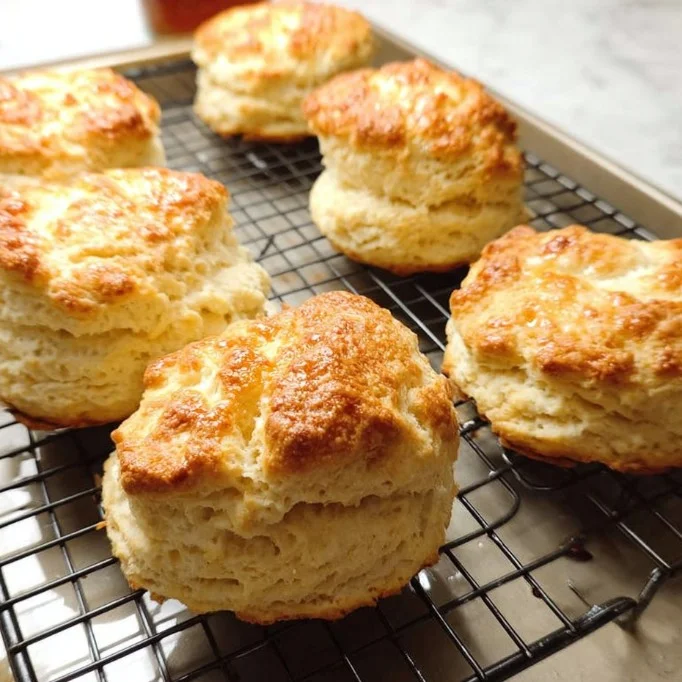
The moment you take a bite of a freshly baked Cathead Biscuit, the warm, flaky texture combined with the buttery flavor can transport you straight to the soulful kitchens of the South. These large, rustic biscuits are not just a staple in many households; they embody comfort food at its finest.
Homemade Cathead Biscuits are beloved for their simplicity and the way they capture a sense of nostalgia. Their rich flavor comes from the perfect blend of butter and buttermilk, creating a tender interior that contrasts beautifully with their golden crust. Ideal for breakfast, brunch, or as a side for savory dishes, these biscuits are incredibly versatile. Once you master this recipe, you’ll find yourself recommending it to friends and family, making it a cherished part of your culinary repertoire.
Why make this recipe
First and foremost, let’s consider the glorious ruggedness of a Cathead Biscuit. Named for their size—often as big as a cat’s head—it’s not just their taste but their presence that makes them so special. These biscuits boast a delightful fluffiness and are chock-full of rich flavors that bring a satisfying crunch to the outside while maintaining a soft, pillowy interior. Moreover, making Cathead Biscuits from scratch is surprisingly straightforward, requiring only a handful of ingredients you probably already have in your pantry. This recipe epitomizes comfort cooking, allowing you to create something that feels fancy but is incredibly accessible.
In a world filled with pre-packaged foods, the allure of a homemade biscuit cannot be overstated. The process of mixing, kneading, cutting, and baking these biscuits fills your kitchen with inviting aromas that evoke a sense of home and tradition. Plus, you can easily customize your biscuits to suit your family’s taste, whether you prefer them with a hint of sweetness or a savory twist. Once you pull a tray of Cathead Biscuits from the oven, brushing them with melted butter invites everyone to the table, where they will no doubt be devoured lickety-split.
How to make Homemade Cathead Biscuits
Making Homemade Cathead Biscuits is both an art and a science. Start by preheating your oven to 425°F and placing the rack in the upper-middle position. While the oven heats up, grease your cast iron skillet—an essential tool for achieving that golden crust—or use an 8 to 9-inch round cake pan if you don’t have one. The choice of vessel is crucial in obtaining that rustic look and delicious flavor that Cathead Biscuits are known for.
In a large mixing bowl, combine the dry ingredients. Whisk together the all-purpose flour, baking powder, baking soda, and salt until well combined. The right blend of leavening agents is essential for achieving those gloriously tall biscuits. Next, it’s time to incorporate the fats. Dice the cold salted butter and shortening into small pieces before adding them to the dry ingredients. Using your fingers, a pastry cutter, or a fork, work the fats into the flour mixture until it resembles coarse meal. This step is key; you want to ensure that the pieces of fat are well distributed, as they will create the layers that make these biscuits so fluffy.
With your dry mixture ready, the final step for the biscuit dough is to incorporate whole buttermilk. Pour the shaken cold buttermilk into your flour mixture and gently stir until just combined. The dough will be sticky, which is perfectly normal and part of the charm of making Cathead Biscuits. Resist the urge to overwork the dough; it’s okay if it looks rustic and shaggy, as that is what leads to the ideal biscuit texture.
Now, it’s time to form the biscuits. Using a spoon, drop six equal mounds of dough into your prepared skillet, ensuring they are not too perfect—after all, the beauty of Cathead Biscuits lies in their homey appearance. They should touch each other slightly, allowing them to rise together in the oven. Bake them for 20 to 25 minutes, or until they are golden brown and your kitchen is filled with an irresistible aroma. Once they come out, brush the warm biscuits with melted salted butter to finish, allowing them to rest for five minutes before serving warm.
Ingredients
- 3 cups all-purpose flour (White Lily preferred)
- 1 tbsp baking powder
- ½ tsp baking soda
- 1 ¼ tsp salt
- ½ cup (1 stick) salted butter, diced cold
- 3 tbsp shortening (like Crisco), diced cold
- 1 ½ cups whole buttermilk, shaken
- 2 tbsp melted salted butter (for brushing tops)
Directions
- Preheat oven to 425°F with rack in the upper-middle position. Grease a 10-inch cast iron skillet (or use an 8–9 inch round cake pan).
- Mix dry ingredients: whisk flour, baking powder, baking soda, and salt in a large bowl.
- Cut in fats: add diced butter and shortening and work them in (fingers/pastry cutter/fork) until it looks like coarse meal.
- Add buttermilk: stir in cold buttermilk just until combined. Dough will be sticky—that’s normal.
- Form biscuits: drop 6 equal mounds into the skillet (rustic/shaggy is perfect—no rolling).
- Bake 20–25 minutes until golden brown.
- Finish: brush warm biscuits with melted butter, rest 5 minutes, serve warm.
Time Breakdown
• Preparation Time: 15 minutes
• Cooking Time: 25 minutes
• Total Time: 40 minutes
• Servings: 6 biscuits
How to serve Homemade Cathead Biscuits
Serving Homemade Cathead Biscuits is just as delightful as making them. They are best enjoyed fresh out of the oven, with their tops glistening from a brush of melted butter. You can serve them alongside a variety of southern-style dishes like fried chicken, sausage gravy, or a spread of honey and butter that invites everyone to dig in. These biscuits are equally satisfying when served with breakfast items such as scrambled eggs or bacon. Their size makes them perfect for sandwiches too—just slice one in half and stuff it with your favorite ingredients, be it fried chicken, ham, or even a dollop of jam. The possibilities are endless, and the heartwarming nature of Cathead Biscuits ensures they are a cherished addition to any meal.
How to store Homemade Cathead Biscuits
If you find yourself with leftover Homemade Cathead Biscuits, there are a few methods to effectively store them and maintain their delightful texture. To keep them fresh for a short period, place the biscuits in an airtight container at room temperature. They are best consumed within a couple of days for optimal softness and flavor. If you need to preserve them for longer, consider freezing the biscuits. Individually wrap each biscuit in plastic wrap and place them into a freezer-safe bag or container. This method allows you to thaw them one at a time when the craving strikes. To reheat, simply pop them in the oven for a few minutes until warmed through, or microwaving is a quicker option. Just remember that the oven will keep the exterior delightfully crisp.
Tips to make Homemade Cathead Biscuits
Creating the perfect Homemade Cathead Biscuits can require a little finesse, but a few tips can set you up for success. For one, make sure your fats are cold as they contribute to the flakiness of the biscuits. Additionally, opt for high-quality flour like White Lily, which is notable for its exceptional texture, perfect for Southern biscuits. When combining the butter and shortening, don’t worry about achieving a complete blend; small chunks of fat in the dough are essential for flaky layers. Don’t overmix the dough after adding the buttermilk. Stir just until combined to keep those biscuits tender. Finally, elevate the flavor by experimenting with additional ingredients such as cheese, herbs, or garlic powder, adjusting to your preference.
Variation
No major variations, but you can adjust seasonings to taste.
Nutritional Information (Per Serving)
• Calories: 380 kcal
• Protein: 7 g
• Carbohydrates: 50 g
• Fat: 18 g
• Fiber: 2 g
• Sugar: 1 g
• Sodium: 500 mg
FAQs
Q: Can I substitute buttermilk with another ingredient?
A: Yes, you can use regular milk with a tablespoon of vinegar or lemon juice as a buttermilk substitute; let it sit for a few minutes to curdle.
Q: Can I make the dough ahead of time?
A: While it’s best to bake the biscuits fresh, you can prepare the dough and refrigerate it for up to 2 hours before baking.
Q: How do I prevent the biscuits from sticking to the pan?
A: Greasing the pan well or using parchment paper will help ensure the biscuits come out easily after baking.
Cathead Biscuits
Ingredients
Dry Ingredients
- 3 cups all-purpose flour (White Lily preferred)
- 1 tbsp baking powder
- ½ tsp baking soda
- 1 ¼ tsp salt
Fats
- ½ cup salted butter, diced cold
- 3 tbsp shortening (like Crisco), diced cold
Wet Ingredients
- 1 ½ cups whole buttermilk, shaken
- 2 tbsp melted salted butter (for brushing tops)
Instructions
Preparation
- Preheat oven to 425°F with rack in the upper-middle position. Grease a 10-inch cast iron skillet (or use an 8–9 inch round cake pan).
- In a large mixing bowl, whisk together the flour, baking powder, baking soda, and salt until well combined.
- Add the diced butter and shortening, and work them in using fingers, a pastry cutter, or a fork until it resembles coarse meal.
- Stir in the cold buttermilk just until combined. The dough will be sticky.
- Drop 6 equal mounds of dough into the skillet, allowing them to touch slightly.
- Bake for 20 to 25 minutes until golden brown.
- Brush warm biscuits with melted butter and allow to rest for 5 minutes before serving warm.