Frozen Lobster Tails: 5 Secrets to Culinary Success

Cooking frozen lobster tails can be a delightful and impressive culinary experience that elevates any dinner party or special occasion. With a few simple ingredients and techniques, you can transform these frozen beauties into a gourmet meal that rivals top-notch seafood restaurants. The rich, succulent flavor of lobster pairs wonderfully with buttery, garlicky sauces, making it a dish that is both indulgent and versatile.
Frozen lobster tails are not just reserved for fine dining; with some careful preparation and awareness of cooking times, you can master the art of cooking them right in your home kitchen. Many people shy away from cooking lobster due to the perceived complexity, but this recipe breaks it down into manageable steps that are beginner-friendly. Plus, learning how to prepare lobster tails efficiently can save money, as fresh lobster can often come with a hefty restaurant price tag. Your guests will be amazed by your culinary skills, and you will relish the satisfaction of presenting a dish that looks and tastes extraordinary.
Why make this recipe
Lobster is a luxurious yet surprisingly approachable seafood choice, especially when prepared from frozen tails. The taste of lobster is often described as sweet and slightly briny, with a texture that is both tender and firm. This recipe allows you to create a perfect lobster dish, emphasizing its natural flavors rather than overpowering them. Moreover, choosing lobster tails allows you to control portion sizes, making it easier to serve family-style or as an elegant individual entrée.
This dish can be enjoyed in numerous contexts, whether you’re celebrating a special occasion, hosting a dinner gathering, or simply treating yourself to a decadent meal. The easy-to-follow directions ensure that regardless of your cooking level, you can achieve restaurant-quality results in your own kitchen. Additionally, the combination of garlic and butter with lobster creates a classic flavor pairing that is comforting and satisfying, appealing to both seafood lovers and newcomers alike.
How to make Frozen Lobster Tails: 5 Secrets to Culinary Success
The first secret to successfully cooking frozen lobster tails is proper thawing. Always thaw your lobster tails in the refrigerator overnight rather than using microwave or rapid thaw methods, which can result in uneven cooking and a rubbery texture. This slow thawing allows the meat to retain its moisture and flavors, resulting in a much more enjoyable dish. If you’re short on time, placing the lobster tails in a sealed plastic bag and soaking them in cold water for about an hour works well too.
The second secret lies in the preparation of the lobster tails. When cutting the shell to access the meat, use sharp kitchen scissors to cut through the top of the shell lengthwise, making sure to stop just before you cut into the meat. This method not only makes for a more aesthetically pleasing presentation but also seals in the flavors during cooking, ensuring that the lobster remains juicy.
Next, the garlic-butter mixture is crucial for enhancing the natural sweetness of the lobster. As the butter melts, it should be mixed with minced garlic and a splash of lemon juice, which adds a zesty brightness that complements the richness of the lobster. Adjusting the seasoning with salt and pepper to taste enhances the overall flavor profile—don’t be afraid to get creative with herbs or spices based on your preference.
The baking time is another key factor to bear in mind. Cook the lobster tails at a temperature of 375°F (190°C) for approximately 20-25 minutes or until the meat is opaque and firm. An overcooked lobster tail can easily become rubbery, so be sure to monitor closely during this step.
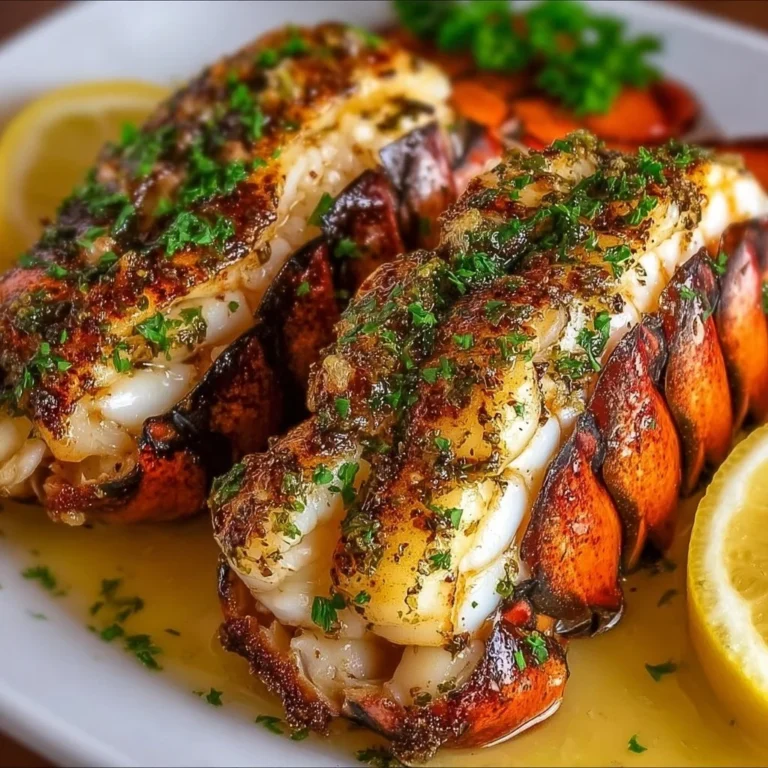
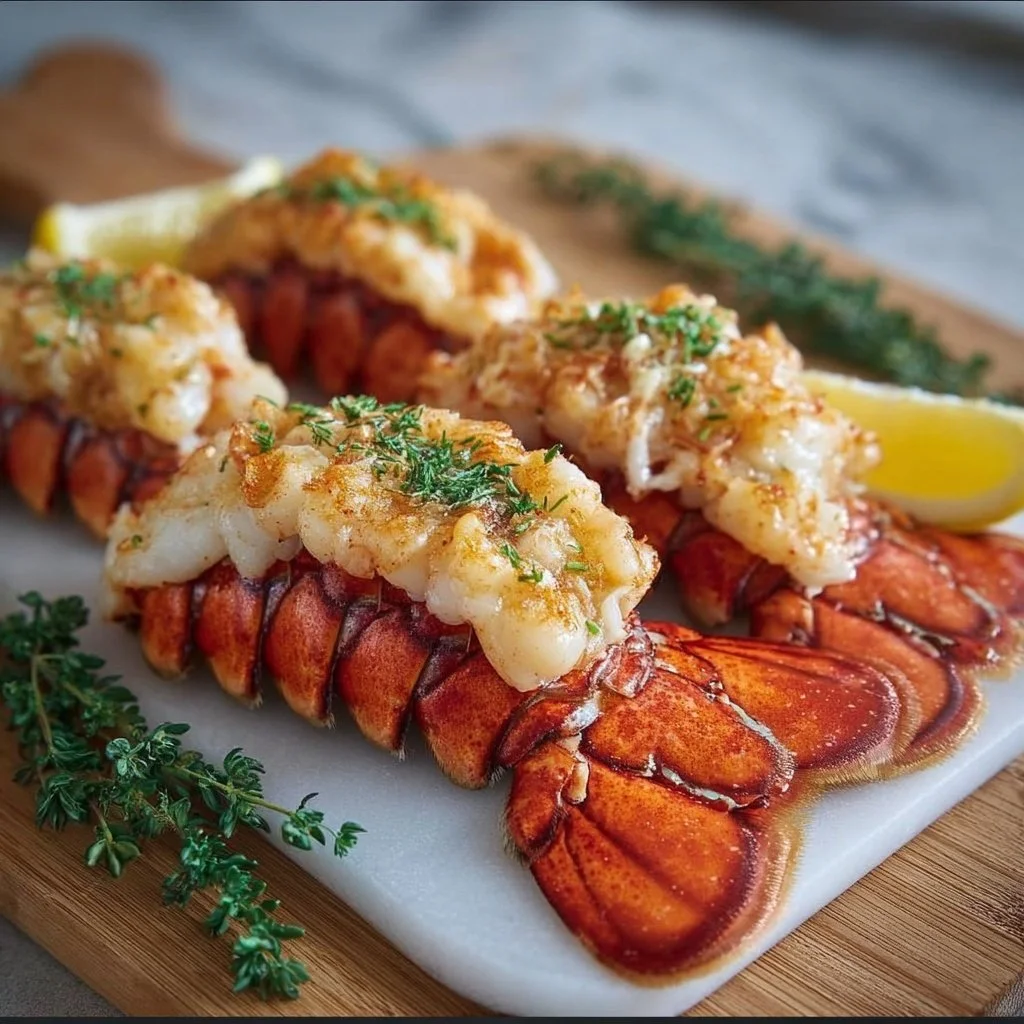
Lastly, presentation matters. Once cooked, serve the lobster tails immediately with a sprig of fresh parsley or a wedge of lemon for an extra touch. Drizzling additional melted butter over the top not only looks appealing but also enhances the dish with an aromatic richness.
Ingredients
- 4 frozen lobster tails
- 1/2 cup butter
- 2 cloves garlic, minced
- 1 tablespoon lemon juice
- Salt to taste
- Pepper to taste
Directions
- Thaw the lobster tails in the refrigerator overnight.
- Preheat the oven to 375°F (190°C).
- Cut the top shell of the lobster tails lengthwise.
- In a saucepan, melt butter and mix in garlic, lemon juice, salt, and pepper.
- Brush the mixture over the lobster meat.
- Place the lobster tails on a baking sheet.
- Bake for 20-25 minutes or until the meat is opaque.
- Serve hot with extra butter if desired.
Time Breakdown
• Preparation Time: 15 minutes
• Cooking Time: 20-25 minutes
• Total Time: 35-40 minutes
• Servings: 4
How to serve Frozen Lobster Tails: 5 Secrets to Culinary Success
Serving frozen lobster tails can be as luxurious as the meal itself. Pair the freshly baked lobster with vibrant sides that complement the dish’s rich flavors. A crisp salad with citrus dressing or roasted seasonal vegetables adds color and freshness, balancing the buttery lobster beautifully. For the starch component, consider serving it alongside garlic mashed potatoes or even a light pasta tossed in olive oil and herbs.
Garnish comes into play when presenting your dish. A sprinkle of fresh parsley not only adds a pop of color but also enhances the overall aroma of your plate. Likewise, placing lemon wedges on the side gives guests the option to squeeze fresh juice over the lobster, heightening its fresh taste. Finally, consider plating each lobster tail in individual serving dishes for an upscale touch, especially if you are hosting a formal dinner.
Accompanying your meal with a lovely white wine can elevate the dining experience further. A chilled Chardonnay or Sauvignon Blanc pairs beautifully with lobster, providing a refreshing contrast to the richness of the butter and garlic. For a casual affair, feel free to opt for a light beer or handcrafted cocktail that complements the seaside essence of the dish.
How to store Frozen Lobster Tails: 5 Secrets to Culinary Success
Storing uncooked frozen lobster tails requires the utmost care to maintain their freshness. If purchased frozen and sealed, it’s best to keep them in the freezer until you’re ready to use them. Make sure they are properly sealed to avoid freezer burn—consider wrapping them in freezer-safe bags or utilizing airtight containers to preserve quality.
If you have cooked leftovers, ensure that they are cooled to room temperature before transferring them to the refrigerator. Store the lobster tails in an airtight container or wrap them tightly in plastic wrap. Cooked lobster is best enjoyed within 2-3 days, as prolonged storage can lead to diminished quality. When reheating, do so gently to avoid overcooking; warming them in a lightly heated oven or microwave ensures the meat retains its moisture.
For longer storage, lobster can also be frozen post-cooking, although it’s recommended to consume it fresh whenever possible for the best flavor and texture. To freeze cooked lobster tails, allow them to cool completely and then wrap tightly in foil or plastic before placing them in a freezer bag. They should be used within 3 months to ensure optimal taste.
Tips to make Frozen Lobster Tails: 5 Secrets to Culinary Success
Mastering lobster involves some expert tips that can yield magnificent results. One of the most important tips is to avoid overcooking them at all costs. For perfectly cooked lobster, the meat should be just firm and opaque without being rubbery. A food thermometer can be particularly useful here, as the internal temperature of the lobster should reach about 145°F (63°C) to ensure it is safely cooked.
Consider experimenting with flavor variations in the butter mixture. Adding chili flakes or herbs like dill or thyme can introduce additional depth to the overall flavor. Similarly, mixing in a splash of white wine while cooking the garlic butter can enhance the dish further, bringing a slightly acidic note that balances out the richness.
When presenting, don’t forget that lobster can be enjoyed beyond the baked format. You can sauté or grill the lobster if you prefer a charred flavor profile. If you opt for grilling, make sure to lightly oil the grill grates to prevent sticking, and adapt your cooking time accordingly as direct grilling can lead to quicker cooking.
Lastly, always remember to use quality seafood. If given the choice between frozen or fresh, select a reputable source, as the quality of your lobster will affect the final product immensely. Fresh or flash-frozen methods retain the natural taste and textures, ensuring your culinary efforts are rewarded.
Variation
No major variations, but you can adjust seasonings to taste.
Nutritional Information (Per Serving)
• Calories: 370 kcal
• Protein: 32 g
• Carbohydrates: 1 g
• Fat: 25 g
• Fiber: 0 g
• Sugar: 0 g
• Sodium: 300 mg
FAQs
Q: Can I use fresh lobster instead of frozen?
A: Yes, you can use fresh lobster tails, but be sure to adjust the cooking time as fresh lobster cooks faster than frozen.
Q: What should I do if I can’t find lobster tails?
A: If lobster tails are unavailable, consider using shrimp or scallops as substitutes, adjusting cooking times accordingly.
Q: How do I know when the lobster is done cooking?
A: The lobster meat should be opaque and firm, with an internal temperature of about 145°F (63°C) to ensure it’s properly cooked.
Frozen Lobster Tails
Ingredients
Lobster Ingredients
- 4 pieces frozen lobster tails Thawed overnight in refrigerator
Butter Sauce
- 1/2 cup butter Melted
- 2 cloves garlic, minced For flavor enhancement
- 1 tablespoon lemon juice Adds zesty brightness
- to taste salt
- to taste pepper
Instructions
Preparation
- Thaw the lobster tails in the refrigerator overnight.
- Preheat the oven to 375°F (190°C).
- Cut the top shell of the lobster tails lengthwise using sharp kitchen scissors.
Cooking
- In a saucepan, melt the butter and mix in garlic, lemon juice, salt, and pepper.
- Brush the mixture over the lobster meat.
- Place the lobster tails on a baking sheet.
- Bake for 20-25 minutes or until the meat is opaque and firm.
Serving
- Serve hot with additional melted butter, a sprig of fresh parsley, or a wedge of lemon.