Egg Roll (Korean Rolled Omelette)

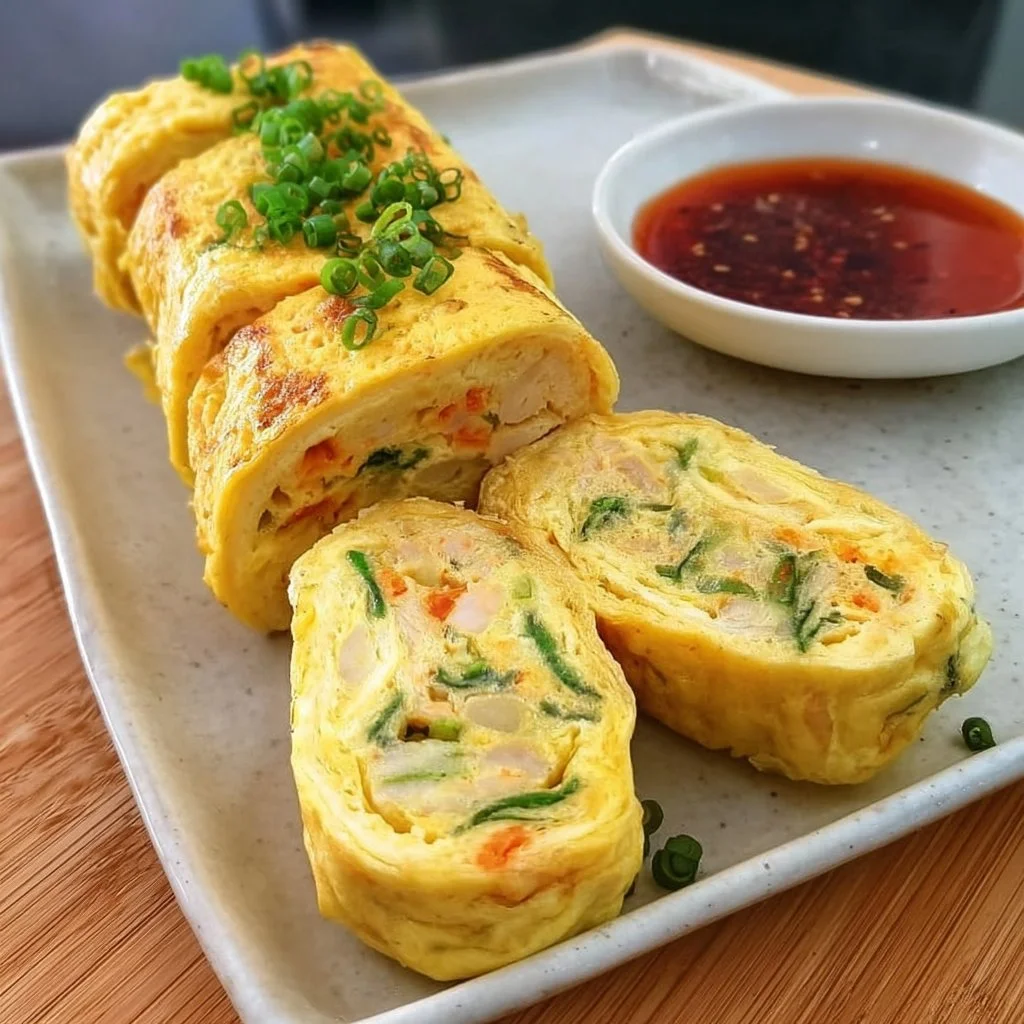
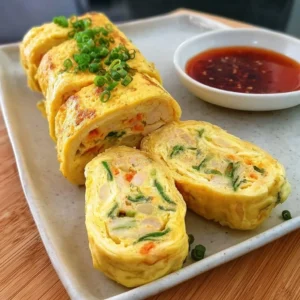
Egg Roll, also known as Gyeran-mari, is a deliciously silky and savory Korean rolled omelette that has gained popularity across the globe. Its visually appealing layers and delightful flavor make it a staple for breakfast, lunch, or even a light snack. With just a few simple ingredients, this dish elevates the humble egg to stardom, giving it a unique charm that is hard to resist.
The beauty of the Egg Roll lies not just in its taste but also in its versatility. You can customize it with various fillings or enjoy it plain, serving it warm or as a cool side dish. As you create this delightful omelette, you’ll find that the process is surprisingly straightforward, making it accessible for both novice cooks and seasoned chefs. Once you’ve mastered this recipe, you can easily whip it up whenever the craving strikes, turning an ordinary meal into an extraordinary experience.
Why make this recipe
Egg Roll is an iconic dish in Korean cuisine that’s both easy to prepare and immensely satisfying. Its soft texture contrasts beautifully with the occasional crunch of vegetables, creating a harmonious blend of flavors and textures. Making Egg Roll at home allows you to control the ingredients, ensuring a fresh and wholesome dish. Plus, it’s an excellent source of protein and can be adapted to suit dietary preferences, whether you’re vegetarian or simply trying to cut down on certain ingredients.
This rolled omelette can serve various purposes in your meals. Enjoy it as part of a traditional Korean breakfast, a healthy lunch option, or even as an elegant hors d’oeuvre at your next gathering. Additionally, it’s a fantastic way to use up leftover vegetables or herbs you might have at home, effectively reducing food waste while adding nutritional value.
How to make Egg Roll (Korean Rolled Omelette)
Creating the perfect Egg Roll hinges on the technique used to roll the omelette, as well as the quality of the ingredients. It begins with whisking the eggs until they are thoroughly blended to ensure a smooth consistency. Incorporating fresh green onions and carrots not only adds flavor but also enhances the visual appeal of the dish. The vibrant colors and aromatic vegetables create a dish that is as beautiful as it is delicious.
The cooking process involves a gentle approach, using a non-stick pan with a moderate heat that allows the eggs to set slowly, preventing overcooking. It’s crucial to lift the edges of the omelette as it cooks to allow the uncooked mixture to flow beneath, promoting even cooking and a soft texture. As you roll the omelette, the layers will build, creating that wonderful spiral effect that is characteristic of this dish. Once completed, letting the omelette rest for a couple of minutes helps it hold its shape, making slicing significantly easier.
Ingredients
- 5 medium eggs
- 1 green onion (chopped)
- 2 tbsp carrot (chopped or grated)
- 1/4 tsp salt
- 1/8 tsp black or white pepper
- 1 tsp neutral oil
Directions
- Whisk eggs well with salt and pepper.
- Add the carrots and green onions and whisk again.
- Heat a 10-inch non-stick pan with oil on low heat. Add 1/3 of the egg mixture and spread around the pan evenly. Lift the edges all the way around with a rice paddle or spatula, and begin to roll when the top is almost but not fully set.
- When you get to the last roll, gently pull the omelette to the other side of the pan and add another 1/3 of the egg mixture.
- Tilt the pan on both ends of the omelette so that the egg fills in the empty pockets. Because we are using a round pan, the ends taper off making it uneven. If you have a square pan, you do not need to do this.
- Roll and gently pull back the omelette again, then add the remaining 1/3 of the egg mixture and repeat.
- Try not to let your omelette end on one of the short sides. But if you do, just use a spatula and your hand to hold it on the pan to seal your omelette properly.
- Rest on a cool surface for a couple of minutes, then cut into 6 to 8 pieces. If you tilted your pan when adding egg mixture, you should only have to cut off a tiny bit of the tapered ends to make everything else even. I usually eat those right away for tasting.
- Serve or cool completely before storing.
Time Breakdown
• Preparation Time: 10 minutes
• Cooking Time: 15 minutes
• Total Time: 25 minutes
• Servings: 4
How to serve Egg Roll (Korean Rolled Omelette)
Egg Roll can be served in multiple ways, depending on your preference and occasion. While it is delightful when served hot and fresh, you can also let it cool and serve it cold as a side dish, making it versatile for different meals throughout the day. Portioning the egg roll into bite-sized pieces encourages sharing and makes it a perfect addition to a bento box or picnic spread. Accompanying sauces, such as soy sauce or a tangy dipping sauce, can elevate the dish, adding an extra layer of flavor.
Moreover, garnishing the Egg Roll with sesame seeds or sliced fresh herbs can introduce additional texture and visual appeal. It can also be paired with steamed rice and pickled vegetables, enhancing your dining experience with traditional Korean flavors.
How to store Egg Roll (Korean Rolled Omelette)
Storing your Egg Roll can be done quite easily, making it a fantastic option for meal prep. Allow the omelette to cool completely to room temperature, which preserves its texture and prevents condensation when stored. Once cooled, you can wrap it tightly in plastic wrap or place it in an airtight container. If you want to extend its freshness, refrigerating it is ideal, where it can last for about three to four days.
For longer-term storage, Egg Roll can also be frozen. Slice it into individual portions, wrap each piece tightly, and then place them in a freezer-safe bag or container. To reheat, simply thaw overnight in the refrigerator and warm it gently in a skillet or microwave, being cautious not to overcook, as this will lead to a rubbery texture.
Tips to make Egg Roll (Korean Rolled Omelette)
To master the art of making a perfect Egg Roll, consider a few helpful tips. First, ensure that your eggs are at room temperature before whisking; this can help achieve a fluffier omelette. If you want a richer flavor, incorporating a teaspoon of dairy such as milk or cream can further enhance the texture and taste. When adding vegetables, feel free to experiment by incorporating a variety of colors and flavors, such as bell peppers, spinach, or mushrooms depending on your preferences.
Maintaining a gentle heat is crucial for achieving a soft and pillowy omelette; cooking on too high of a heat can lead to browning and toughness. Additionally, using a non-stick pan really makes rolling easy and can prevent sticky situations where the omelette might tear. Lastly, practice makes perfect when it comes to the rolling technique—don’t be discouraged if your first attempts aren’t picture-perfect; with a little patience, you’ll be creating beautiful Egg Rolls in no time.
Variation
No major variations, but you can adjust seasonings to taste.
Nutritional Information (Per Serving)
• Calories: 150 kcal
• Protein: 10 g
• Carbohydrates: 2 g
• Fat: 12 g
• Fiber: 0 g
• Sugar: 1 g
• Sodium: 250 mg
FAQs
Q: Can I add cheese to the Egg Roll?
A: Absolutely! Adding cheese can make it extra creamy and delicious.
Q: Can Egg Roll be made in advance?
A: Yes, you can make the egg roll ahead of time and store it in the refrigerator for up to four days.
Q: Is Egg Roll suitable for meal prep?
A: Yes, it stores and reheats well, making it a great option for meal prepping.
Egg Roll (Korean Rolled Omelette)
Ingredients
Omelette Base
- 5 medium eggs Make sure they are at room temperature for a fluffier texture
- 1 whole green onion (chopped) Adds flavor and visual appeal
- 2 tbsp carrot (chopped or grated) Provides sweetness and color
- 1/4 tsp salt Enhances flavor
- 1/8 tsp black or white pepper Season to taste
- 1 tsp neutral oil For cooking the omelette
Instructions
Preparation
- Whisk eggs well with salt and pepper.
- Add the carrots and green onions and whisk again.
Cooking
- Heat a 10-inch non-stick pan with oil on low heat.
- Add 1/3 of the egg mixture and spread around the pan evenly.
- Lift the edges all the way around with a rice paddle or spatula, and begin to roll when the top is almost but not fully set.
- When you reach the last roll, gently pull the omelette to the other side of the pan and add another 1/3 of the egg mixture.
- Tilt the pan on both ends of the omelette so that the egg fills in the empty pockets.
- Roll and gently pull back the omelette again, then add the remaining 1/3 of the egg mixture and repeat.
- Rest on a cool surface for a couple of minutes, then cut into 6 to 8 pieces.