Easter Charcuterie Board

The Easter Charcuterie Board is a delightful and festive way to celebrate the spring season and the joy of Easter gatherings. This dish is not just a meal; it’s a shared experience filled with vibrant colors and assorted flavors. It brings together family and friends around a beautifully arranged platter that caters to everyone’s taste. As you prepare your board, you can let your creativity shine by customizing the layout and the choice of ingredients. It’s an accessible yet elegant option for any gathering, making it a perfect centerpiece for your Easter brunch or dinner.
Creating an Easter Charcuterie Board allows for experimentation and personalization, which is part of its appeal. By selecting colorful fruits, a variety of meats, and an array of cheeses, you can design a board that reflects your style and taste. It’s not just about the food; it’s also about the social aspect of enjoying these culinary delights together. As everyone grabs what they like, conversations naturally flow, making for a perfect gathering. This dish encourages sharing and enjoying each other’s company in a relaxed setting.
Why make this recipe
Crafting an Easter Charcuterie Board is hugely beneficial for several reasons. First, it provides a visually stunning array of food that can cater to diverse diets and preferences. Whether your guests are meat lovers, cheese enthusiasts, or vegan eaters, there’s something for everyone. The board promotes exploration; guests can sample various combinations of flavors and textures. It also requires minimal cooking, making it a great option for hosts who prefer to spend their time enjoying the occasion rather than laboring in the kitchen.
Moreover, this dish is perfect for Easter because it embodies the festive spirit of the holiday. The bright colors from fruits and decorations along with the arrival of spring make the board very appealing. Adding Easter-themed decorations, such as chocolate eggs and pastel candies, further enhances its celebratory feel. By allowing guests to make their own plates, you foster an informal atmosphere where everyone feels welcome.
How to make Easter Charcuterie Board
Making an Easter Charcuterie Board is simple and enjoyable. It’s about bringing together various elements that excite the senses. Planning ahead will allow you to select the best ingredients and set them out beautifully. The process of assembling the board can also serve as a fun activity if you invite friends or family to help. This collaborative effort can enhance the experience and creates wonderful memories.
Ingredients:
- Assorted meats (salami, prosciutto, turkey slices)
- Cheeses (brie, cheddar, goat cheese)
- Crackers and breadsticks
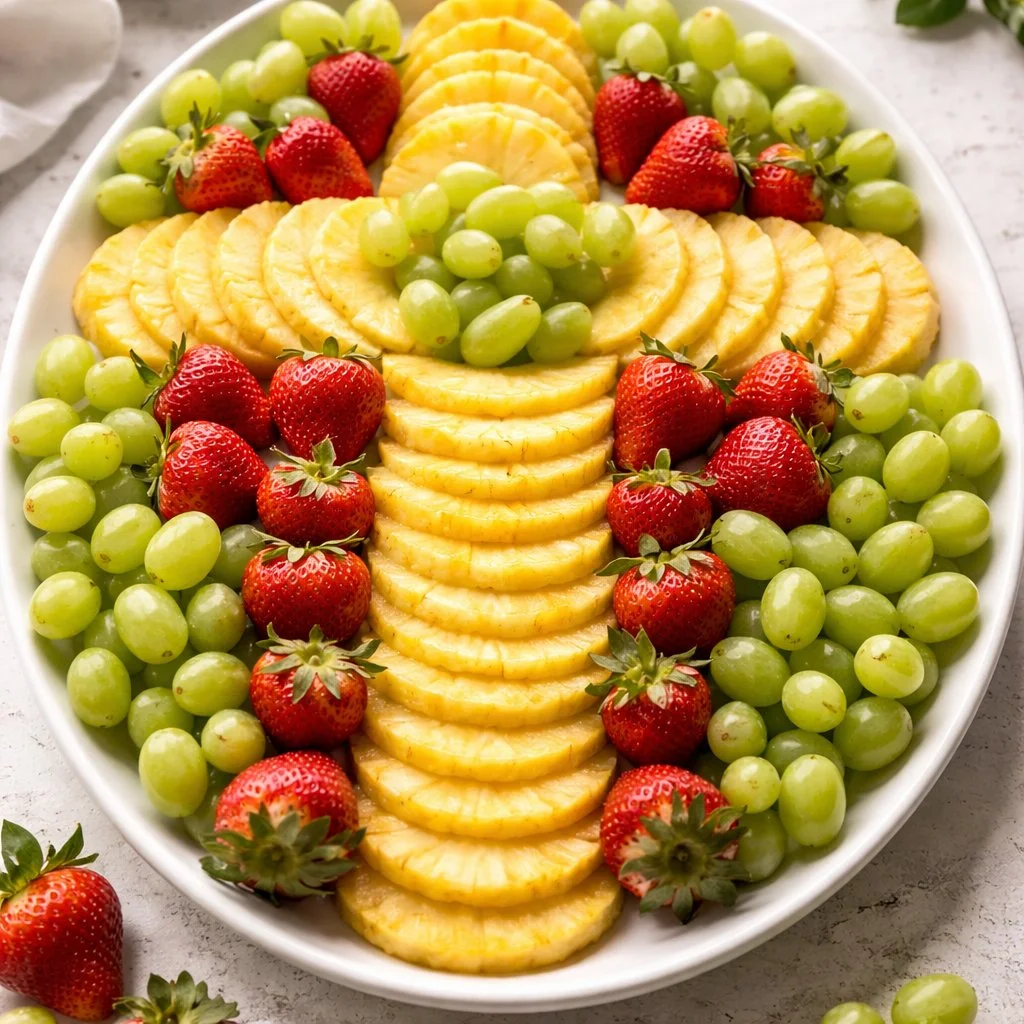
- Fresh fruits (grapes, strawberries, sliced apples)
- Vegetables (carrots, cucumber, cherry tomatoes)
- Nuts (almonds, walnuts)
- Olives and pickles
- Honey or fig jam
- Easter-themed decorations (chocolate eggs, pastel-colored candies)
Directions:
- Start with a large serving board or platter. Ensure it is clean and dry.
- Arrange the assorted meats and cheeses on the board, starting with larger items like cheese wheels.
- Fill gaps with crackers and breadsticks for balance.
- Add fresh fruits and vegetables around the meats and cheeses for visual contrast.
- Scatter nuts and olives in different sections of the board for variety.
- Include small bowls of honey or fig jam for dipping.
- Decorate with Easter-themed items like chocolate eggs and pastel candies.
- Serve and enjoy; allow guests to help themselves.
Time Breakdown
The time it takes to prepare an Easter Charcuterie Board can vary based on your experience and the number of guests you are serving. Typically, you should allocate about 20 to 30 minutes to arrange the ingredients attractively. A simple trip to the grocery store beforehand will allow you to gather everything you need quickly. With that in mind, you can easily create a stunning board in no time, making it a low-effort yet impressive addition to your celebration.
How to serve Easter Charcuterie Board
Serve your Easter Charcuterie Board as a centerpiece for your gathering. Place it on a table where guests can easily reach it. You can pair the board with some light refreshments, such as sparkling water or a chilled wine, to elevate the experience. Encourage guests to help themselves and mix and match ingredients as they please. This approach not only enhances the social aspect of your gathering but also allows people to customize their plates based on their preferences.
How to store Easter Charcuterie Board
If you have leftover components after your celebration, it’s essential to store them properly to ensure food safety and freshness. Wrap any unconsumed meats and cheeses in plastic wrap or place them in airtight containers. For fruits and vegetables, consider using breathable containers to prevent moisture retention. Leftover crackers and nuts can be stored in a cool, dry place in their original packaging. When you’re ready to serve again, you can arrange the ingredients on a new board for another enjoyable gathering.
Tips to make Easter Charcuterie Board
To make the most of your Easter Charcuterie Board, consider the balance of flavors and textures. Aim to have a mix of sweet and savory, crunchy and creamy. The color palette can also enhance visual appeal, so incorporate a variety of vibrant fruits and vegetables. You can also adjust portions based on your guest list, ensuring you have enough of each item without overdoing it. Keep in mind that pre-slicing certain items like cheeses and fruits can make it easier for guests to serve themselves.
Variation
While this recipe focuses on traditional Easter fare, you can easily adapt it to create a more personalized experience. Consider incorporating seasonal items such as fresh herbs or edible flowers for a touch of elegance. If you have a specific dietary preference among your guests, create a dedicated section on the board with vegan or gluten-free options. The possibilities are endless, allowing you to tailor the board to suit the tastes of your guests!
Nutritional Information (Per Serving)
The nutritional content of your Easter Charcuterie Board will depend on the specific ingredients you choose and their respective quantities. As a general breakdown, each serving can contain around 250-400 calories, depending on the amount of meats and cheeses versus fruits and vegetables. This flexibility allows you to create a lighter or more indulgent option based on your preferences and those of your guests.
FAQs
1. Can I prepare the Easter Charcuterie Board in advance?
Yes, you can prepare some components in advance, such as slicing cheeses and fruits. However, it’s best to assemble the board just before serving to maintain freshness and prevent ingredients from wilting.
2. What type of board should I use?
Any large platter, wooden board, or even a clean cutting board works well! The more space you have to arrange your ingredients, the better.
3. Can I customize the ingredients?
Absolutely! Feel free to mix and match your favorite meats, cheeses, and snacks. The Easter Charcuterie Board should reflect your taste and cater to your guests’ preferences.
Creating an Easter Charcuterie Board can be a fun project that brings joy and flavor to your holiday gathering. With its appealing presentation and delicious offerings, it is sure to delight everyone at your table. Enjoy the process and the company of your loved ones as you celebrate together!
Easter Charcuterie Board
Ingredients
Meats and Cheeses
- 200 grams Assorted meats (salami, prosciutto, turkey slices)
- 200 grams Cheeses (brie, cheddar, goat cheese)
Accompaniments
- 150 grams Crackers and breadsticks
- 200 grams Fresh fruits (grapes, strawberries, sliced apples)
- 150 grams Vegetables (carrots, cucumber, cherry tomatoes)
- 100 grams Nuts (almonds, walnuts)
- 100 grams Olives and pickles
- 50 grams Honey or fig jam For dipping
- 1 serving Easter-themed decorations (chocolate eggs, pastel-colored candies) For decoration
Instructions
Preparation
- Start with a large serving board or platter. Ensure it is clean and dry.
- Arrange the assorted meats and cheeses on the board, starting with larger items like cheese wheels.
- Fill gaps with crackers and breadsticks for balance.
- Add fresh fruits and vegetables around the meats and cheeses for visual contrast.
- Scatter nuts and olives in different sections of the board for variety.
- Include small bowls of honey or fig jam for dipping.
- Decorate with Easter-themed items like chocolate eggs and pastel candies.
- Serve and enjoy; allow guests to help themselves.