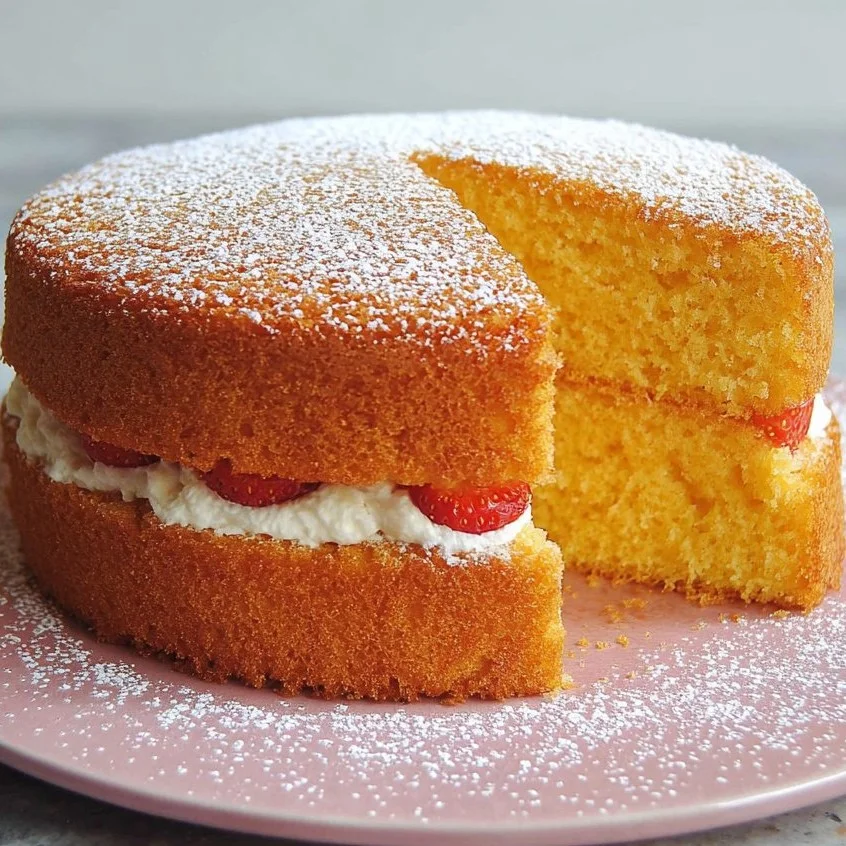
Simple Sponge

A light and airy sponge cake is a baking staple that brings joy to any occasion. Whether it’s a birthday celebration, tea time, or a simple dessert after dinner, a simple sponge is versatile enough to be dressed up or enjoyed just as it is. The beauty of this cake lies not only in its delicious flavor but also in its effortless preparation. Perfecting this classic recipe will allow you to whip up a delightful treat anytime the craving strikes.
Simple to make yet impressive to serve, this sponge cake is an essential recipe for both novice bakers and seasoned pros. With minimal ingredients and straightforward techniques, the cake captures the essence of traditional baking. The method follows the creaming technique, which incorporates air into the mixture, resulting in a light and fluffy texture. Versatile and customizable, this sponge can be filled and decorated in countless ways, showcasing your creativity. The resulting cake is a treat that can be enjoyed plain or adorned with whipped cream, fresh fruits, and decadent icings.
Why make this recipe
Making a simple sponge cake is rewarding. It teaches you essential baking skills, such as proper mixing and the importance of ingredient temperature and consistency. Moreover, this recipe relies on readily available ingredients you likely have in your pantry, making it an economical choice. The cake emerges soft, light, and slightly sweet, providing a perfect base for any fillings or toppings you prefer. Not only does it satisfy your sweet tooth, but it also gives you a sense of accomplishment as you watch it rise beautifully in the oven.
Aside from its deliciously simple flavor, the sponge cake is remarkably adaptable. You can experiment with different flavors by adding vanilla extract, citrus zest, or cocoa powder. It serves as an excellent foundation for many layered cakes or as the base for trifles. Whatever your occasion, a simple sponge cake is sure to impress with its fluffy texture and versatility.
How to make Simple Sponge
The process of making a simple sponge begins with gathering your ingredients. Once you have your soft margarine or butter, caster sugar, eggs, and self-raising flour, you’re ready to create a delightful cake. Start by preheating your oven to the right temperature to ensure an even bake. Greasing and lining your baking tins is crucial; this prevents sticking and guarantees an easy release once the cake is done.
The next step is the creaming of the butter and sugar, which is essential for achieving that light texture. Whipping these two ingredients together until pale and fluffy will incorporate air, giving your sponge its rise. Then, add the eggs one at a time, mixing just enough to combine, to prevent them from deflating the batter. Lastly, sifting in the flour and folding it in gently will ensure that your cake remains aerated. If necessary, you can adjust the moisture with a splash of milk, especially if the batter feels too thick.
Once everything is mixed, you’ll divide the batter between the prepared tins, smooth the tops, and place them into the preheated oven. The cakes will bake until golden and a toothpick comes out clean, which generally takes between30 to 40 minutes, depending on your oven. After cooling in the tins, transferring the cakes to a wire rack allows them to cool completely, making them easy to handle for filling and decorating.
Ingredients
- 225g (8oz) unsalted margarine or butter, softened
- 225g (generous 1 cup) caster (superfine) sugar
- 4 large eggs
- 225g (1¾ cups) self-raising flour
- 1–2 tbsp milk (only if the batter is too dry)
- Butter (for greasing the tins)
- Nonstick baking paper/parchment (to line the tin bottoms)
Directions
- Heat oven to 170°C (150°C fan) / 340°F / Gas 3½. Grease and line two 20cm (8in) round springform tins.
- Beat butter/margarine and sugar until pale and fluffy.
- Mix in eggs one at a time (just until combined). Sift in self-raising flour and gently fold until smooth; add 1–2 tbsp milk only if the batter feels too thick or dry.
- Split batter between tins, smooth the tops, and bake for 30–40 minutes until golden and a toothpick comes out clean.
- Cool 30 minutes in tins, then move to a rack to cool completely. Remove from tins, peel off paper, fill and decorate, then store airtight for 3–4 days.
Time Breakdown
• Preparation Time: 20 minutes
• Cooking Time: 30–40 minutes
• Baking Time: 30–40 minutes
• Chilling Time: N/A
• Rising Time: N/A
• Total Time: 50–60 minutes
• Servings: 8
How to serve Simple Sponge
Serve your simple sponge cake in various delightful ways to cater to a range of preferences and occasions. You can slice it into layers and fill it with your favorite jam, whipped cream, or even custard to create a layered cake. This type of cake shines with fresh fruits, either arranged artfully on top or between the layers themselves. Dusting the cake with icing sugar before serving adds a touch of elegance, while a light drizzle of chocolate ganache can enhance its appeal. For a more festive touch, consider designing it with colorful fondant or celebrating with seasonal decorations that match the occasion.
A simple sponge also makes an excellent base for a dessert trifles; layer the cake cubes with custard, whipped cream, and mixed berries for a beautiful and indulgent treat. When presenting the cake at gatherings, consider providing various toppings to let guests customize their slices, creating a more interactive and enjoyable experience.
How to store Simple Sponge
To keep your simple sponge cake fresh and delicious, proper storage is essential. After the cake has cooled completely, wrap it tightly in plastic wrap or place it in an airtight container to prevent it from drying out. When stored correctly, your sponge can last for 3 to 4 days at room temperature. However, if the cake is frosted or filled, it is best to refrigerate it to maintain its quality.
If you anticipate having leftovers or want to prepare it in advance, consider freezing portions of the cake. Wrap each piece individually in plastic wrap and then place them in a sealable plastic bag or an airtight container. The cake can be kept in the freezer for up to three months. To serve, simply thaw at room temperature or warm in the oven for a few minutes, restoring its delightful texture and flavor.
Tips to make Simple Sponge
To achieve the perfect sponge cake, several tips can help elevate your baking game. The first step is ensuring all ingredients are at room temperature before starting the mixing process. This practice helps create a smoother batter and better incorporation of air, leading to a fluffier cake. Be cautious not to over-mix the batter after adding the flour; gentle folding is key to retaining airiness.
Additionally, investing in quality ingredients, particularly the butter and eggs, can significantly impact the flavor and texture of your sponge cake. Using unsalted butter allows for more control over the saltiness, while fresh eggs contribute to a better rise. When baking your cakes, placing them in the center of the oven allows for even heat distribution, essential for getting that perfect rise.
Lastly, always keep an eye on your cake while it bakes. Ovens can vary greatly in temperature, so testing for doneness a couple of minutes before the shortest time suggests can yield better results. If you notice the tops are browning too quickly, loosely covering the cakes with aluminum foil will help prevent burning while allowing them to bake through.
Variation
No major variations, but you can adjust seasonings to taste.
Nutritional Information (Per Serving)
• Calories: 350 kcal
• Protein: 4 g
• Carbohydrates: 50 g
• Fat: 15 g
• Fiber: 1 g
• Sugar: 25 g
• Sodium: 200 mg
FAQs
Q: Can I use regular flour instead of self-raising flour?
A: Yes, if you don’t have self-raising flour, you can use all-purpose flour and add 2 teaspoons of baking powder for every cup of flour.
Q: How can I ensure my sponge cake rises properly?
A: Make sure your ingredients are at room temperature and do not over-mix after adding the flour, as this can deflate the batter.
Q: Can I flavor the sponge cake?
A: Absolutely! You can add vanilla extract, almond extract, or citrus zest to infuse your sponge with additional flavors, enhancing its taste and aroma.
Simple Sponge Cake
Ingredients
Main ingredients
- 225 g unsalted margarine or butter, softened
- 225 g caster (superfine) sugar
- 4 large eggs
- 225 g self-raising flour
- 1–2 tbsp milk (only if the batter is too dry)
For preparation
- Butter for greasing the tins
- Nonstick baking paper/parchment to line the tin bottoms
Instructions
Preparation
- Preheat oven to 170°C (150°C fan) / 340°F / Gas 3½. Grease and line two 20cm (8in) round springform tins.
- Beat butter/margarine and sugar until pale and fluffy.
- Mix in eggs one at a time (just until combined).
- Sift in self-raising flour and gently fold until smooth; add 1–2 tbsp milk only if the batter feels too thick or dry.
- Split batter between tins, smooth the tops, and bake for 30–40 minutes until golden and a toothpick comes out clean.
- Cool 30 minutes in tins, then move to a rack to cool completely.
- Remove from tins, peel off paper, fill and decorate, then store airtight for 3–4 days.