Macarons Recipe

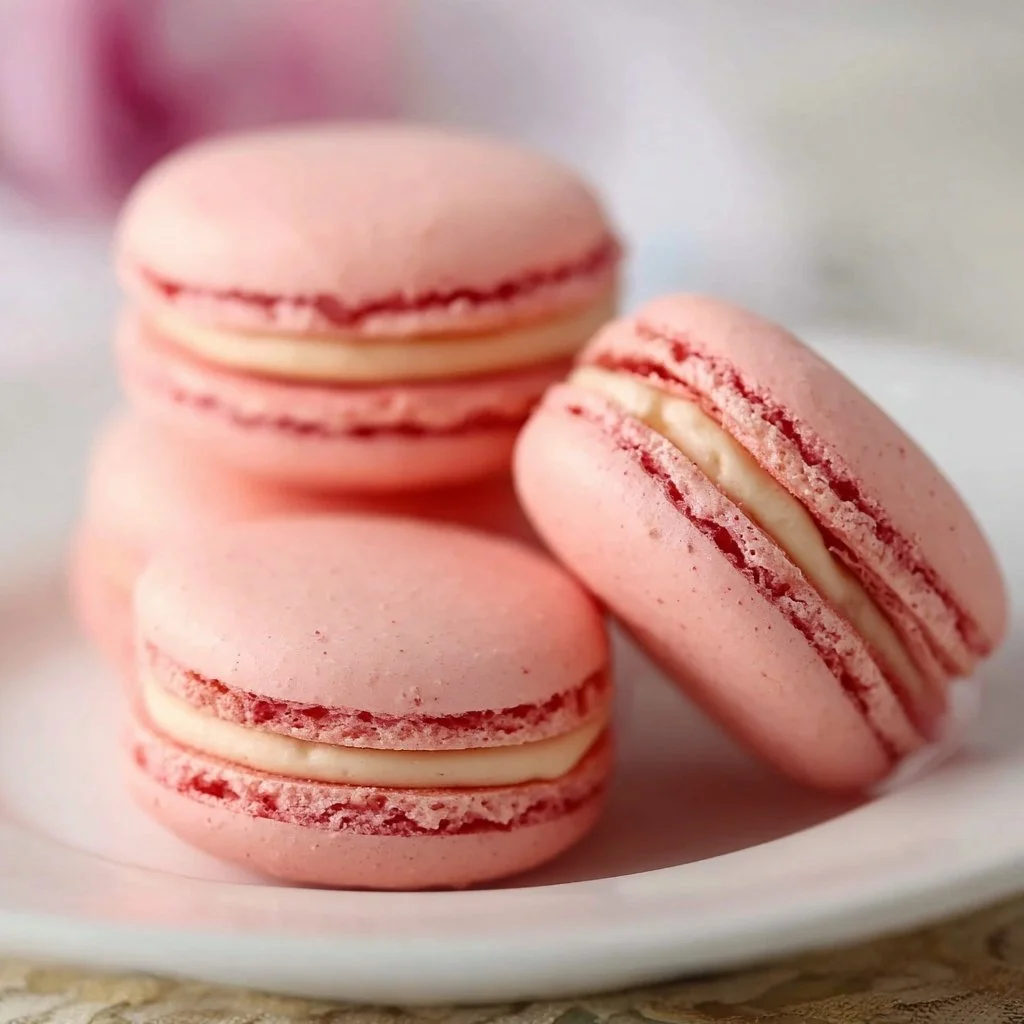
Macarons are delicate, colorful confections that have taken the culinary world by storm, praised for their light, airy texture and rich, buttery flavor. Each bite transports you to a Parisian café, where time seems to stand still as you savor this delightful treat. With a crisp outer shell and a luscious filling, macarons are not only a treat for the taste buds but also a feast for the eyes.
Crafting the perfect macaron requires precision, patience, and a bit of practice. While they may seem daunting at first, the satisfaction of producing a batch of beautifully formed pastries makes the effort worthwhile. Once you learn the intricacies of macaron-making—from whipping the egg whites to achieving that coveted "foot"—you’ll be ready to impress friends and family with your baking prowess.
Why make this recipe
The appeal of macarons lies in their elegance and versatility. They can be tailored to any occasion, from simple family gatherings to extravagant parties. Different flavors and colors allow for endless combinations, making them not only a delicious treat but also a personalized gift for loved ones. By making macarons at home, you gain the opportunity to experiment with flavors, fillings, and colors that suit your taste. It’s a creative process that allows you to showcase your culinary skills while delighting in each step of the journey.
How to make Macarons Recipe
Creating macarons is as much about technique as it is about ingredients. The backbone of this recipe is the meringue, made with egg whites and sugar. Achieving the right consistency is crucial; under-beating or over-beating the egg whites can lead to disappointing results. After the meringue is prepared, it’s combined with almond flour and powdered sugar to create a batter that should flow smoothly like lava. This batter is then piped into rounds on baking sheets and must rest before baking, allowing the top to dry out to create the perfect shell. Once baked, the macarons should cool completely before being filled with a rich buttercream, sealing the deal on these extraordinary cookies.
The buttercream filling adds an additional layer of richness to the macarons. With just a few simple ingredients, this component enhances the flavor profile and overall enjoyment of the finished products. Adding different flavors to the buttercream can elevate your macarons further, providing versatility and creativity in the kitchen. Cooking the sugar and water syrup to the right temperature is essential for achieving the desired texture, ensuring that the buttercream is both smooth and spreadable.
Ingredients
- 100 g egg whites (from about 3 large eggs, at room temperature)
- 140 g almond flour (finely ground and sifted)
- 90 g granulated sugar (added gradually to build stable meringue)
- 130 g powdered sugar (sifted to avoid lumps)
- 1 tsp vanilla extract
- 0.25 tsp cream of tartar
- 226 g unsalted butter (softened to room temperature)
- 5 egg yolks (from large eggs)
- 100 g granulated sugar (for syrup)
- 1 tsp vanilla extract
- 3 tbsp water (for sugar syrup)
- 1 pinch salt (to balance flavor)
Directions
- Line baking trays with parchment or silicone mats. Let egg whites come to room temperature. Sift almond flour and powdered sugar together.
- Whip egg whites in a clean bowl until foamy. Add cream of tartar, then slowly add granulated sugar. Beat until stiff, glossy peaks form. Add vanilla.
- Fold in sifted almond flour and powdered sugar in thirds. Mix gently until the batter flows like lava and forms a figure eight.
- Pipe the batter onto trays using a piping bag with a round tip. Tap trays to release air bubbles. Use a toothpick for remaining bubbles.
- Let piped shells rest uncovered until dry to the touch (about 30–40 minutes).
- Bake at 150°C (300°F) for 12–15 minutes, rotating trays halfway. Shells should have feet and not move when touched. Cool completely.
- Make the buttercream: heat sugar and water to 240°F. Beat egg yolks until pale. Slowly pour in hot syrup while mixing. Beat until cool, then add butter piece by piece. Finish with vanilla and salt.
- Match shells by size. Pipe buttercream onto one side and sandwich with the matching half.
- Store in an airtight container and refrigerate for at least 24 hours before serving. Let come to room temp before eating.
Time Breakdown
• Preparation Time: 1 hour
• Cooking Time: N/A
• Baking Time: 12-15 minutes
• Chilling Time: 24 hours
• Rising Time: N/A
• Total Time: 25 hours, including rest
• Servings: 24 macarons
How to serve Macarons Recipe
Macarons can be served in various ways, depending on the occasion. For a casual gathering, tray displays with an assortment of flavors make for a delightful visual treat. For more formal events, consider decorating your table with small plates of macarons artfully arranged beside other desserts and sweet treats. Pairing these confections with a fine cup of coffee or a comforting tea elevates the experience, drawing out the complex flavors present in each macaron. Serving them with a light dusting of powdered sugar or a decorative drizzle can further enhance their stunning appearance.
How to store Macarons Recipe
Storing macarons properly is crucial to maintain their texture and flavor. Keep the macarons in an airtight container at room temperature for up to three days, but if you want to prolong their freshness, refrigeration is recommended. For longer storage, consider freezing them. Place them in an airtight container between layers of parchment paper to prevent sticking, and they can last for up to a month in the freezer. When ready to enjoy, simply thaw them at room temperature for about 30 minutes before serving to restore their original texture and flavor.
Tips to make Macarons Recipe
To ensure maximum success with your macarons, a few tips can help streamline the process. First, measure ingredients carefully; precision is vital for macarons. Using a kitchen scale can yield better results than relying on volume measurements. Also, be sure to age your egg whites by letting them sit in the refrigerator for a few days before use. This encourages the evaporation of moisture, leading to a more stable meringue. When folding in the dry ingredients, be gentle yet thorough to avoid deflating the mixture. Lastly, experiment with different flavors and colors for the shells and fillings to create unique, personalized macarons.
Variation
No major variations, but you can adjust seasonings to taste.
Nutritional Information (Per Serving)
• Calories: 120 kcal
• Protein: 2 g
• Carbohydrates: 13 g
• Fat: 7 g
• Fiber: 0 g
• Sugar: 10 g
• Sodium: 50 mg
FAQs
Q: Can I use powdered egg whites instead of fresh egg whites?
A: Yes, but it’s important to follow the instructions on the package for reconstituting them to ensure that they perform similarly to fresh egg whites.
Q: Why did my macarons crack during baking?
A: Cracking can occur due to either too much moisture in the batter or the shells not resting long enough before baking. Make sure the shells are dry to the touch and the oven is at the correct temperature.
Q: How can I add flavor to my macarons?
A: Flavored extracts, zests, or powders can be incorporated into the dry ingredients or the buttercream filling to customize your macarons easily.
Macarons
Ingredients
Macaron Shells
- 100 g egg whites (from about 3 large eggs, at room temperature) Make sure they are at room temperature.
- 140 g almond flour (finely ground and sifted)
- 90 g granulated sugar (added gradually to build stable meringue)
- 130 g powdered sugar (sifted to avoid lumps)
- 1 tsp vanilla extract
- 0.25 tsp cream of tartar
Buttercream Filling
- 226 g unsalted butter (softened to room temperature)
- 5 large egg yolks (from large eggs)
- 100 g granulated sugar (for syrup)
- 1 tsp vanilla extract
- 3 tbsp water (for sugar syrup)
- 1 pinch salt (to balance flavor)
Instructions
Preparation
- Line baking trays with parchment or silicone mats. Let egg whites come to room temperature. Sift almond flour and powdered sugar together.
- Whip egg whites in a clean bowl until foamy. Add cream of tartar, then slowly add granulated sugar. Beat until stiff, glossy peaks form. Add vanilla.
- Fold in sifted almond flour and powdered sugar in thirds. Mix gently until the batter flows like lava and forms a figure eight.
Baking
- Pipe the batter onto trays using a piping bag with a round tip. Tap trays to release air bubbles. Use a toothpick for remaining bubbles.
- Let piped shells rest uncovered until dry to the touch (about 30–40 minutes).
- Bake at 150°C (300°F) for 12–15 minutes, rotating trays halfway. Shells should have feet and not move when touched. Cool completely.
Buttercream Preparation
- Heat sugar and water to 240°F.
- Beat egg yolks until pale. Slowly pour in hot syrup while mixing. Beat until cool, then add butter piece by piece. Finish with vanilla and salt.
Assembly
- Match shells by size. Pipe buttercream onto one side and sandwich with the matching half.
Storage
- Store in an airtight container and refrigerate for at least 24 hours before serving. Let come to room temperature before eating.